

The Invisible Hand(out) Aid, Trade, and Unequal Globalization
, by Brazys, Samuel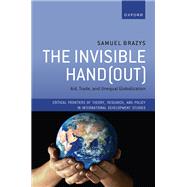
- ISBN: 9780198970439 | 0198970439
- Cover: Hardcover
- Copyright: 11/12/2025
The Invisible Hand(out): Aid, Trade, and Unequal Globalization examines the relationship between foreign aid, market access, and economic growth in developing countries during the era of globalization. Despite the rapid integration of global markets lifting millions of people out of poverty, disparities remain, with some nations thriving while others falter.
This book argues that explanations focusing solely on domestic governance and institutions, or geography, fall short in explaining these divergences. Instead, it highlights the critical role of external factors-specifically, the availability of trade-effective aid and the presence of meaningful market access opportunities. Drawing on extensive fieldwork and novel datasets, the book offers both quantitative and qualitative evidence in support of its arguments. Brazys considers a number of in-depth cases, including success stories Indonesia and Vietnam, where strategic aid and market access drove transformative growth, alongside cases including Madagascar and the Federated States of Micronesia, who have stagnated despite high overall levels of aid and de jure market access.
With a focus on both economic data and the lived realities of development practitioners and exporters, The Invisible Hand(out) bridges theoretical insights and practical implications, offering policymakers, academics, and development professionals a fresh lens on addressing global inequality and fostering sustainable growth.

Please wait while the item is added to your bag...



Review