

Aristotle's Prison A Search for Humanity in Tragic Places
, by Liebling, Alison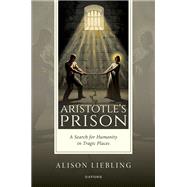
- ISBN: 9780198992639 | 0198992637
- Cover: Hardcover
- Copyright: 7/14/2026
Aristotle's Prison offers a compelling and original exploration of the moral landscape within high-security prisons, drawing on years of rigorous empirical research. In this deeply insightful work, the author examines the complex relationships between prison staff and prisoners, revealing how these interactions are shaped by profound moral forces that can either nurture human dignity or inflict lasting psychological harm.
Focusing mainly on long-term incarceration settings, the book delves into the ethical dimensions of prison life, where questions of fairness, humanity, and survival are starkly illuminated. Through systematic analysis, it uncovers how varying moral climates influence critical outcomes such as violence, personal growth, institutional order, and the capacity to endure time spent in prison.
Alison Liebling seamlessly integrates penological research with moral philosophy to illuminate how the presence -or absence- of humane treatment profoundly shapes prisoners' vitality, growth and capacity for survival. When individuals are affirmed or treated with deep regard by others, their sense of personhood is strengthened, fostering resilience, agency and growth. Conversely, environments marked by indifference, unfairness, and a lack of support, safety, or opportunity can extinguish the life force, leading to devitalization and long-term harm.
This groundbreaking work challenges readers to reconsider what it means to be human, and to treat others with humanity, especially in places designed to punish. It is a vital contribution to our understanding of prisons as morally intense and tragically hidden institutions, offering fresh insight into the human consequences of incarceration.
Focusing mainly on long-term incarceration settings, the book delves into the ethical dimensions of prison life, where questions of fairness, humanity, and survival are starkly illuminated. Through systematic analysis, it uncovers how varying moral climates influence critical outcomes such as violence, personal growth, institutional order, and the capacity to endure time spent in prison.
Alison Liebling seamlessly integrates penological research with moral philosophy to illuminate how the presence -or absence- of humane treatment profoundly shapes prisoners' vitality, growth and capacity for survival. When individuals are affirmed or treated with deep regard by others, their sense of personhood is strengthened, fostering resilience, agency and growth. Conversely, environments marked by indifference, unfairness, and a lack of support, safety, or opportunity can extinguish the life force, leading to devitalization and long-term harm.
This groundbreaking work challenges readers to reconsider what it means to be human, and to treat others with humanity, especially in places designed to punish. It is a vital contribution to our understanding of prisons as morally intense and tragically hidden institutions, offering fresh insight into the human consequences of incarceration.

Please wait while the item is added to your bag...



Review