


The Art of War: Sun Zi's Military Methods
, by Mair, Sun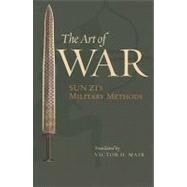
- ISBN: 9780231133838 | 0231133839
- Cover: Paperback
- Copyright: 3/1/2009
Compiled during the Warring States period of 475-221 B.C.E.,The Art of War has had an enormous impact on the development ofChinese military strategy over the past two thousand years and occupies an importantplace in East Asian intellectual history. It is the first known attempt to formulatea rational basis for the planning and conduct of military operations, and whilenumerous editions of the work exist, Victor Mair's translation is the first toremain true to the original structure and essential style of thetext.Mair's fidelity to the original, along with his insightfulcommentary and reliance on archaeologically recovered manuscripts, breaks new groundin solving The Art of War's difficult textual and contextualproblems. He confronts complex questions concerning the authorship of the work,asserting that Sun Wu, a supposed strategist of the Spring and Autumn period(770-476 B.C.E.) to whom the text is traditionally attributed, never existed.Instead, Mair claims that The Art of War coalesced over aperiod of around seventy-five years, from the middle of the fourth century to thefirst quarter of the third century B.C.E.Mair also reveals theway The Art of War reflects historical developments intechnological and military strategy in civilizations throughout Eurasia, especiallyin regards to iron metallurgy. He demonstrates the close link between the philosophyin The Art of War and Taoism and discusses the reception of thetext from the classical period to today. Finally, Mair highlights previouslyunaddressed stylistic and statistical aspects and includes philological annotationsthat present new ways of approaching the intellectual and social background of thework. A phenomenal achievement, Mair's comprehensive translation is an indispensableresource for today's students, strategists, and scholars.

Please wait while the item is added to your bag...


