

Assassination of Theo van Gogh
, by Eyerman, Ron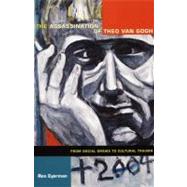
- ISBN: 9780822344063 | 0822344068
- Cover: Paperback
- Copyright: 8/1/2008
In November 2004, the controversial Dutch filmmaker Theo van Gogh was killed on a busy street in Amsterdam. A twenty-six-year-old Dutch citizen of Moroccan descent shot van Gogh, slit his throat, and pinned a five-page indictment of Western society to his body. The murder set off a series of reactions, including arson against Muslim schools and mosques. InThe Assassination of Theo van Gogh, Ron Eyerman explores the multiple meanings of the murder and the different reactions it elicited: among the Amsterdam-based artistic and intellectual subculture, the wider Dutch public, the local and international Muslim communities, the radical Islamic movement, and the broader international community. After meticulously analyzing the actions and reputations of van Gogh and others in his milieu, the motives of the murderer, and the details of the assassination itself, Eyerman considers the various narrative frames the mass media used to characterize the killing.Eyerman utilizes theories of social drama and cultural trauma to evaluate the reactions to and effects of the murder. A social drama is triggered by a public transgression of taken-for-granted norms; one that threatens the collective identity of a society may develop into a cultural trauma. Eyerman contends that the assassination of Theo van Gogh quickly became a cultural trauma because it resonated powerfully with the postwar psyche of the Netherlands. As part of his analysis of the murder and reactions to it, he discusses significant aspects of twentieth-century Dutch history, including the countryrs"s treatment of Jews during the German occupation, the loss of its colonies in the wake of World War II, its recruitment of immigrant workers, and the failure of Dutch troops to protect Muslims in Srebrenica in 1995.

Please wait while the item is added to your bag...



Review