

Body Knowledge Performance, Intermediality, and American Entertainment at the Turn of the Twentieth Century
, by Simonson, Mary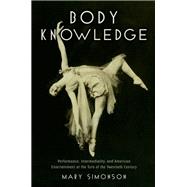
- ISBN: 9780199898015 | 0199898014
- Cover: Hardcover
- Copyright: 9/27/2013
While female performers in the early 20th century were regularly advertised as dancers, mimics, singers, or actresses, they wove together techniques and elements drawn from a wide variety of genres and media. Onstage and onscreen, performers borrowed from musical scores and narratives, referred to contemporary shows, films, and events, and mimicked fellow performers. Behind the scenes, they experimented with cross-promotion and new advertising techniques and technologies to broadcast images and tales of their performances and lives well beyond the walls of American theaters, cabarets, and halls. The performances and conceptions of art that emerged were innovative, compelling, and deeply meaningful.
Body Knowledge examines these performances and the performers behind them, highlighting the Ziegfeld Follies and The Passing Show revues, Salome dancers, Isadora Duncan's Wagner dances, Adeline Genée and Bessie Clayton's danced histories, Hazel Mackaye and Ruth St. Denis's pageants, and Anna Pavlova's opera and film projects. As a whole, it re-imagines early twentieth-century art and entertainment as both fluid and convergent.
Body Knowledge examines these performances and the performers behind them, highlighting the Ziegfeld Follies and The Passing Show revues, Salome dancers, Isadora Duncan's Wagner dances, Adeline Genée and Bessie Clayton's danced histories, Hazel Mackaye and Ruth St. Denis's pageants, and Anna Pavlova's opera and film projects. As a whole, it re-imagines early twentieth-century art and entertainment as both fluid and convergent.

Please wait while the item is added to your bag...



Review