

Chatham House The First Hundred Years
, by Cox, Michael; Hill, Christopher; May, Alex; Soper, Caroline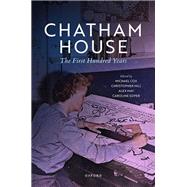
- ISBN: 9780198984962 | 0198984960
- Cover: Hardcover
- Copyright: 7/30/2026
This book is the first comprehensive treatment of the history and impact of Chatham House, also known as the Royal Institute of International Affairs, which was founded in 1920 and has been based in St. James's Square, central London, since 1923. Chatham House soon acquired a reputation as one of the world's leading think tanks on international affairs and has maintained this ever since, despite increasing competition at home and abroad. It has been a base for high-quality research as well as important meetings, including those held under the famous 'Chatham House rule', meaning that information disclosed may be used publicly but without attribution.
Chatham House covers the first 100 years of the Institute's history in three sections: between the two World Wars; the period from 1945 until the end of the Cold War; and the time from the fall of the Berlin Wall up to 2020. Using the Institute's archives as well as public documents, secondary works, and interviews where possible, the contributors have explored the main themes of Chatham House's work over the last century: empire, economic crisis and appeasement between the wars, post-war reconstruction, decolonisation, Europe and strategy after 1945, climate, identity politics, and the foreign policies of the UK and USA after 1989. The internal life of Chatham House, especially in terms of its directors and other key personalities, has also been given full attention.
Chatham House covers the first 100 years of the Institute's history in three sections: between the two World Wars; the period from 1945 until the end of the Cold War; and the time from the fall of the Berlin Wall up to 2020. Using the Institute's archives as well as public documents, secondary works, and interviews where possible, the contributors have explored the main themes of Chatham House's work over the last century: empire, economic crisis and appeasement between the wars, post-war reconstruction, decolonisation, Europe and strategy after 1945, climate, identity politics, and the foreign policies of the UK and USA after 1989. The internal life of Chatham House, especially in terms of its directors and other key personalities, has also been given full attention.

Please wait while the item is added to your bag...



Review