

Do All Indians Live in Tipis? Second Edition Questions and Answers from the National Museum of the American Indian
, by NMAI; Chavez Lamar, Cynthia; Mankiller, Wilma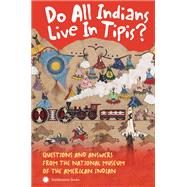
- ISBN: 9781588346193 | 1588346196
- Cover: Paperback
- Copyright: 4/10/2018
How much do you really know about totem poles, tipis, and Tonto? There are hundreds of Native tribes in the Americas, and there may be thousands of misconceptions about Native customs, culture, and history. In this illustrated guide, experts from Smithsonian's National Museum of the American Indian debunk common myths and answer frequently asked questions about Native Americans past and present. Readers will discover the truth about everything from kachina dolls to casinos, with answers to nearly 100 questions, including: Did Indians really sell Manhattan for twenty-four dollars worth of beads and trinkets? Are dream catchers an authentic tradition? Do All Indians Live in Tipis? Second Edition features short essays, mostly Native-authored, that cover a range of topics including identity; origins and histories; clothing, housing, and food; ceremony and ritual; sovereignty; animals and land; language and education; love and marriage; and arts, music, dance, and sports.

Please wait while the item is added to your bag...



Review