

Eating the Landscape
, by Salmon, Enrique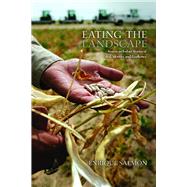
- ISBN: 9780816530113 | 0816530114
- Cover: Paperback
- Copyright: 5/1/2012
"Eating is not only a political act, it is also a cultural act that reaffirms one's identity and worldview," Enrique Salmón writes in Eating the Landscape. Traversing a range of cultures, including the Tohono O'odham of the Sonoran Desert and the Rarámuri of the Sierra Tarahumara, the book is an illuminating journey through the southwest United States and northern Mexico. Salmón weaves his historical and cultural knowledge as a renowned indigenous ethnobotanist with stories American Indian farmers have shared with him to illustrate how traditional indigenous foodways-from the cultivation of crops to the preparation of meals-are rooted in a time-honored understanding of environmental stewardship. In this fascinating personal narrative, Salmón focuses on an array of indigenous farmers who uphold traditional agricultural practices in the face of modern changes to food systems such as extensive industrialization and the genetic modification of food crops. Despite the vast cultural and geographic diversity of the region he explores, Salmón reveals common themes: the importance of participation in a reciprocal relationship with the land, the connection between each group's cultural identity and their ecosystems, and the indispensible correlation of land consciousness and food consciousness. Salmón shows that these collective philosophies provide the foundation for indigenous resilience as the farmers contend with global climate change and other disruptions to long-established foodways. This resilience, along with the rich stores of traditional ecological knowledge maintained by indigenous agriculturalists, Salmón explains, may be the key to sustaining food sources for humans in years to come. As many of us begin to question the origins and collateral costs of the food we consume, Salmón's call for a return to more traditional food practices in this wide-ranging and insightful book is especially timely. Eating the Landscapeis an essential resource for ethnobotanists, food sovereignty proponents, and advocates of the local food and slow food movements.

Please wait while the item is added to your bag...


