

Ethics, Evil, and Fiction
, by McGinn, Colin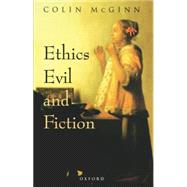
- ISBN: 9780198238775 | 0198238770
- Cover: Paperback
- Copyright: 8/12/1999
Ethics, Evil, and Fiction brings together moral philosophy and literary analysis in a way that offers original new insights for both. Its central aim is to enrich the domain of moral reflection, by showing the value of literary texts as sources of moral illumination. Colin McGinn starts by setting out an uncompromisingly realist ethical theory, arguing that morality is an area of objective truth and genuine knowledge. He goes on to address such subjects as the nature of goodness, evil character, and the meaning of monstrosity, in the context of an aesthetictheory of virtue, which maintains that goodness of character is the same thing as beauty of soul. Works discussed include Billy Budd, Lolita, The Picture of Dorian Gray, and Frankenstein; and McGinn draws upon examples from film and painting as well as literature. The originality of his approach,the clarity and forthrightness of his writing, and his conviction that fiction and philosophy have much enlightenment to offer each other, make this a compelling and fascinating book. 'A book which I hope will start a new fashion . . .it has all the qualities modern philosophical writing tends to lack. I found it substantial, absorbing and relevant.' Times Higher Education Supplement

Please wait while the item is added to your bag...



Review