

Gender Differences in Mood & Anxiety Disorders: From Bench to Bedside
, by Leibenluft, Ellen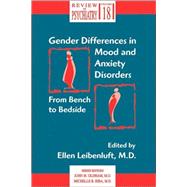
- ISBN: 9780880489584 | 0880489588
- Cover: Paperback
- Copyright: 5/1/1999
Epidemiological studies consistently show that anxiety and mood disorders are two to three times more prevalent in women than in men, and women are more likely than men to develop posttraumatic stress disorder in response to a traumatic event. One of the more intriguing questions in psychiatric research today is the reason behind these gender differences. Attempting to answer this question ultimately improves our ability to prevent and treat these illnesses. Gender Differences in Mood and Anxiety Disorders: From Bench to Bedsidecompiles the latest research on gender differences in mood and anxiety disorders. It examines studies investigating whether the presentation and course of illness differ by gender, including the symptom profile, the likelihood of relapse, and the chronicity of the illness. Contributors present data on The relationship between female reproductive milestones and psychiatric illness as a way to explain gender differences in disease prevalence, treatment response, and course New neuroimaging techniques that help to examine gender differences in brain structure and function and shed light on the differences between the sexes in emotion and cognition The abnormalities in the hypothalamic-pituitary-adrenal (HPA) axis, which contribute to women's increased risk for depressive and anxiety disorders Perimenopause and menopause studies that link women's increased susceptibility to mood disorders to women's variable sensitivity to the psychotropic effects of exogenous gonadal steroids The effects of estrogen on monoamine function and the implications of these effects for psychotherapy In summary, this book conveys what is known to date as well as what we have yet to learn about the nature and causes of gender differences in mood and anxiety disorders. It goes a long way toward improving our knowledge of normal brain function and pathophysiology and ultimately helping us treat patients who have these serious disorders.

Please wait while the item is added to your bag...



Review