

Gendered Voices in the Iliad Lament and Heroic Glory
, by Warwick, Celsiana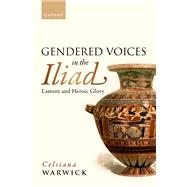
- ISBN: 9780197902257 | 0197902251
- Cover: Hardcover
- Copyright: 9/30/2026
This book explores the ways in which the Iliad constructs competing gendered voices that comment on the value system of the poem's warrior society. Prominent within the poem is a discourse of warrior masculinity that valorizes over all else the acquisition of time (honor) and kleos (glory) through prowess in battle. Within Iliadic society, this form of masculinity is hegemonic, meaning that it is the dominant and most ideologically privileged, configuration of masculine gender practice within its culture. However, the poem also presents other perspectives and ways of being that interact with and counter the discourse of hegemonic warrior masculinity in complex ways. In particular, the discourse of lament, which is primarily associated with women, presents a counterpoint to masculine warrior ideology by emphasizing the damage that the pursuit of time and kleos does to a hero's family and community.
In contrast to hegemonic warrior masculinity, which emphasizes winning status and "unwithering" fame (kleos aphthiton) that will transcend the ephemerality of mortal existence, lament values most highly the fragile and impermanent bonds of social relationships that are dissolved by death. Throughout the poem, the opposition between these two sets of values plays out in dialogues between characters and in the form of internal conflicts within characters.
In contrast to hegemonic warrior masculinity, which emphasizes winning status and "unwithering" fame (kleos aphthiton) that will transcend the ephemerality of mortal existence, lament values most highly the fragile and impermanent bonds of social relationships that are dissolved by death. Throughout the poem, the opposition between these two sets of values plays out in dialogues between characters and in the form of internal conflicts within characters.

Please wait while the item is added to your bag...



Review