

Ghosts of Crook County An Oil Fortune, a Phantom Child, and the Fight for Indigenous Land
, by Cobb, Russell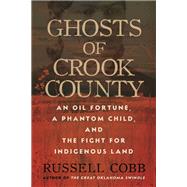
- ISBN: 9780807007372 | 0807007374
- Cover: Hardcover
- Copyright: 10/8/2024
The true—and unsolved—story of unabashedly greedy men, their exploitation of Muscogee land, and the hunt for the ghost of a boy who may never have existed
For readers of David Grann’s award-winning Killers of the Flower Moon
In the early 1900s, at the dawn of the “American Century,” few knew the intoxicating power of greed better than white men on the forefront of the black gold rush. When oil was discovered in Oklahoma, these counterfeit tycoons impersonated, defrauded, and murdered Native property owners to snatch up hundreds of acres of oil-rich land.
Writer and fourth-generation Oklahoman Russell Cobb sets the stage for one such oilman’s chicanery: Tulsa entrepreneur Charles Page’s campaign for a young Muscogee boy’s land in Creek County. Problem was, “Tommy Atkins,” the boy in question, had died years prior—if he ever lived at all.
Ghosts of Crook County traces Tommy’s mythologized life through Page’s relentless pursuit of his land. We meet Minnie Atkins and the two other women who claimed to be Tommy’s “real” mother. Minnie would testify a story of her son’s life and death that fulfilled the legal requirements for his land to be transferred to Page. And we meet Tommy himself—or the men who proclaimed themselves to be him, alive and well in court.
Through evocative storytelling, Cobb chronicles with unflinching precision the lasting effects of land-grabbing white men on Indigenous peoples. What emerges are the interconnected stories of unabashedly greedy men, the exploitation of Indigenous land, and the legacy of a boy who may never have existed.
For readers of David Grann’s award-winning Killers of the Flower Moon
In the early 1900s, at the dawn of the “American Century,” few knew the intoxicating power of greed better than white men on the forefront of the black gold rush. When oil was discovered in Oklahoma, these counterfeit tycoons impersonated, defrauded, and murdered Native property owners to snatch up hundreds of acres of oil-rich land.
Writer and fourth-generation Oklahoman Russell Cobb sets the stage for one such oilman’s chicanery: Tulsa entrepreneur Charles Page’s campaign for a young Muscogee boy’s land in Creek County. Problem was, “Tommy Atkins,” the boy in question, had died years prior—if he ever lived at all.
Ghosts of Crook County traces Tommy’s mythologized life through Page’s relentless pursuit of his land. We meet Minnie Atkins and the two other women who claimed to be Tommy’s “real” mother. Minnie would testify a story of her son’s life and death that fulfilled the legal requirements for his land to be transferred to Page. And we meet Tommy himself—or the men who proclaimed themselves to be him, alive and well in court.
Through evocative storytelling, Cobb chronicles with unflinching precision the lasting effects of land-grabbing white men on Indigenous peoples. What emerges are the interconnected stories of unabashedly greedy men, the exploitation of Indigenous land, and the legacy of a boy who may never have existed.

Please wait while the item is added to your bag...



Review