

How Stories Change Us A Developmental Science of Stories from Fiction and Real Life
, by Reese, Elaine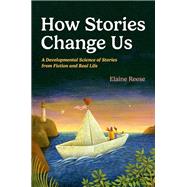
- ISBN: 9780197747902 | 0197747906
- Cover: Hardcover
- Copyright: 10/4/2024
In recent years, gold-standard experimental evidence on the benefits of reading fiction has exploded. Why do we love stories from books, TV and movies, and videogames? What do fictional stories have to do with stories from real life? How do stories impact our own and our children's brain development, reading skills, social understanding, and well-being?
In How Stories Change Us, Elaine Reese integrates the latest scientific research on stories from fiction (books, TV shows and movies, videogames) with stories from real life (our personal experiences, including on social media) across the lifespan. The book offers an authoritative yet accessible overview of the new interdisciplinary science of stories, told by a developmental psychologist and autobiographical memory expert with over thirty years of experience conducting research on stories. Throughout, Reese adopts a developmental perspective by tracing the impact of stories from pre-birth to old age. Drawing upon illustrative examples from her 20-year longitudinal study Origins of Memory as well as from her own life, Reese synthesizes cutting-edge research on the benefits and pitfalls of stories and offers practical tips for parents, teachers, librarians, and policymakers.
Reese concludes that people have a preferred fictional story delivery system, whether it's reading, watching, or gaming, and she advocates for a more integrated science of stories to allow us to better choose the stories we consume and tell.
In How Stories Change Us, Elaine Reese integrates the latest scientific research on stories from fiction (books, TV shows and movies, videogames) with stories from real life (our personal experiences, including on social media) across the lifespan. The book offers an authoritative yet accessible overview of the new interdisciplinary science of stories, told by a developmental psychologist and autobiographical memory expert with over thirty years of experience conducting research on stories. Throughout, Reese adopts a developmental perspective by tracing the impact of stories from pre-birth to old age. Drawing upon illustrative examples from her 20-year longitudinal study Origins of Memory as well as from her own life, Reese synthesizes cutting-edge research on the benefits and pitfalls of stories and offers practical tips for parents, teachers, librarians, and policymakers.
Reese concludes that people have a preferred fictional story delivery system, whether it's reading, watching, or gaming, and she advocates for a more integrated science of stories to allow us to better choose the stories we consume and tell.

Please wait while the item is added to your bag...



Review