

The Intersection of Cultures: Multicultural Education in the United States and the Global Economy
, by SPRING J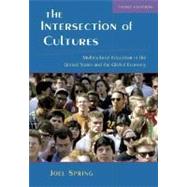
- ISBN: 9780072563962 | 0072563966
- Cover: Paperback
- Copyright: 7/24/2003
PART I: MULTICULTURALISMChapter 1: What Is the Dominant Culture of the United States?Emotion, Multiculturalism, and ConsumerismCultural Freedom and American CharacterMulticulturalism and American CultureMulticultural Education and American CultureIn Search of American CultureDifferent Ways of Defining U.S. CultureAmerican Culture and the Culture of Economic SuccessThe Culture of Success for Jews, Women, Asians, Latinos/Latinas, Lesbians/Gays, and Low-Income WhitesEconomic Success versus Cultural DiversityE.D. Hirsch and Cultural LiteracyThe Dominant Culture as White Anglo-Saxon ValuesShould We Teach the Values of the Dominant Culture?A Lesson on Cultural Differences: Native American and English CulturesConclusion: American Culture and Multicultural EducationPersonal Frames of ReferenceChapter 2: Dominated CulturesCultural Domination and Voluntary ImmigrationThe Intersection of African and European American CulturesEthnocentric Education: Dominated CulturesDebating Education Based on Dominated CulturesTeaching Hawaiian Culture: Alternative or Transition to Economic SuccessIs "White Trash" a Dominated Culture?Empowerment through Multicultural EducationEducating for Cultural PowerConclusionPersonal Frames of ReferenceChapter 3: Immigrant CulturesSummer Camps for Cultural SurvivalShooting at a Convenience StoreRebellion and School UniformsMuslim Schools: Finding a Safe HavenWearing Your Knicks Jacket at the ZocaloTransnationalism: The Multicultural ImmigrantVarieties of Educational ExperienceConclusion: Knowing Immigrant CulturesPersonal Frames of ReferenceChapter 4: Multiculturalism in the Global EconomySingaporeThe European Union: The World's Most Ambitious Multicultural Education ProgramEnglish Language Imperialism?Conclusion: The Right to Language and Culture in the Global EconomyPersonal Frames of ReferencePART II: CULTURAL FRAMES OF REFERENCEChapter 5: Cultural Frames of Reference: Monoculturalism, Biculturalism, and Ethnic IdentityIdentityMonoculturalism and BiculturalismDevelopment of Ethnic IdentityConclusion: Ethnic Identity, Biculturalism, and MonoculturalismPersonal Frames of ReferenceChapter 6: Cultural Frames of Reference: History, Gender, and Social ClassOfficial History and Folk HistoryOfficial HistoryFolk HistoryGenderSocial ClassConclusionPersonal Frames of ReferenceChapter 7: The Intersection of School Culture with Dominated and Immigrant CulturesInequality in SchoolingResistance: The Intersection of School and Dominated CulturesResistance: Native AmericansLatinos/Latinas: The Intersection of School, Dominated, and Immigrant CulturesAsians: Comparing Dominated and Immigrant CulturesAlienation: The Intersection of School and Family ValuesCultural ConflictsConclusionPersonal Frames of ReferencePART III: PERSPECTIVES ON TEACHING MULTICULTURAL EDUCATIONChapter 8: Teaching About RacismThe Concept of RaceRacismTeaching about White GuiltAn Antibias CurriculumThe Teaching Tolerance ProjectLa Escuela FratneyRacism and Mathematics InstructionConclusion: Racism and the Global MarketPersonal Frames of ReferenceChapter 9: Teaching About SexismRepublican MotherhoodThe Glass Ceiling of the ClassroomSingle-Sex Schools and ClassroomsConsciousness-Raising According to the Methods of Paulo FreireConclusionPersonal Frames of ReferenceChapter 10: Teaching and Language DiversityLanguage, Culture, and PowerCross-Cultural CommunicationsCommunicating between Japan and the United StatesLanguage and Culture in the United StatesBilingual EducationResearch and Corporate Support for Bilingual EducationProblems in Bilingual Education ProgramsLanguage Issues among Asian AmericansThe Language of CooperationConclusion: The Multicultural and Language DebatePersonal Frames of ReferenceChapter 11: Teaching EthnocentrismModels of Indigenous Education: Educating for the Child, Family, and CommunityChild Centered (Maori)Holistic Education (Okanagan)Three Baskets of Knowledge (Maori)Stimulating and Language-Based Education (Native American)Linking Native People to the Spirituality of All Life (Cochiti Pueblo)Asante: Classical AfricaAfrocentric PedagogyThe Question of KemetThe Contribution of Egypt to the Development of Science and MathematicsHolistic LearningPersonal WitnessingThe Conspiracy to Destroy Black BoysLessons from History: A Celebration of BlacknessThe Rites of Passage ProgramWhat Every Child Needs to KnowTeaching Core KnowledgeConclusionPersonal Frames of ReferenceChapter 12: Conclusion: Cultural Tolerance, Social Empowerment, and the Intersection of Cultures in the Global Workforce and ClassroomCultures in the Global Workforce and ClassroomNationalism, Internationalism, and Social EmpowermentCultural Tolerance and PeaceMulticultural Education for Social Empowerment and Social ReconstructionMulticulturalism and the Global WorkforceConclusion: The Intersection of Cultures in the ClassroomPersonal Frames of ReferenceIndex
Emotion, Multiculturalism, and ConsumerismCultural Freedom and American CharacterMulticulturalism and American CultureMulticultural Education and American CultureIn Search of American CultureDifferent Ways of Defining U.S. CultureAmerican Culture and the Culture of Economic SuccessThe Culture of Success for Jews, Women, Asians, Latinos/Latinas, Lesbians/Gays, and Low-Income WhitesEconomic Success versus Cultural DiversityE.D. Hirsch and Cultural LiteracyThe Dominant Culture as White Anglo-Saxon ValuesShould We Teach the Values of the Dominant Culture?A Lesson on Cultural Differences: Native American and English CulturesConclusion: American Culture and Multicultural EducationPersonal Frames of ReferenceChapter 2: Dominated CulturesCultural Domination and Voluntary ImmigrationThe Intersection of African and European American CulturesEthnocentric Education: Dominated CulturesDebating Education Based on Dominated CulturesTeaching Hawaiian Culture: Alternative or Transition to Economic SuccessIs "White Trash" a Dominated Culture?Empowerment through Multicultural EducationEducating for Cultural PowerConclusionPersonal Frames of ReferenceChapter 3: Immigrant CulturesSummer Camps for Cultural SurvivalShooting at a Convenience StoreRebellion and School UniformsMuslim Schools: Finding a Safe HavenWearing Your Knicks Jacket at the ZocaloTransnationalism: The Multicultural ImmigrantVarieties of Educational ExperienceConclusion: Knowing Immigrant CulturesPersonal Frames of ReferenceChapter 4: Multiculturalism in the Global EconomySingaporeThe European Union: The World's Most Ambitious Multicultural Education ProgramEnglish Language Imperialism?Conclusion: The Right to Language and Culture in the Global EconomyPersonal Frames of ReferencePART II: CULTURAL FRAMES OF REFERENCEChapter 5: Cultural Frames of Reference: Monoculturalism, Biculturalism, and Ethnic IdentityIdentityMonoculturalism and BiculturalismDevelopment of Ethnic IdentityConclusion: Ethnic Identity, Biculturalism, and MonoculturalismPersonal Frames of ReferenceChapter 6: Cultural Frames of Reference: History, Gender, and Social ClassOfficial History and Folk HistoryOfficial HistoryFolk HistoryGenderSocial ClassConclusionPersonal Frames of ReferenceChapter 7: The Intersection of School Culture with Dominated and Immigrant CulturesInequality in SchoolingResistance: The Intersection of School and Dominated CulturesResistance: Native AmericansLatinos/Latinas: The Intersection of School, Dominated, and Immigrant CulturesAsians: Comparing Dominated and Immigrant CulturesAlienation: The Intersection of School and Family ValuesCultural ConflictsConclusionPersonal Frames of ReferencePART III: PERSPECTIVES ON TEACHING MULTICULTURAL EDUCATIONChapter 8: Teaching About RacismThe Concept of RaceRacismTeaching about White GuiltAn Antibias CurriculumThe Teaching Tolerance ProjectLa Escuela FratneyRacism and Mathematics InstructionConclusion: Racism and the Global MarketPersonal Frames of ReferenceChapter 9: Teaching About SexismRepublican MotherhoodThe Glass Ceiling of the ClassroomSingle-Sex Schools and ClassroomsConsciousness-Raising According to the Methods of Paulo FreireConclusionPersonal Frames of ReferenceChapter 10: Teaching and Language DiversityLanguage, Culture, and PowerCross-Cultural CommunicationsCommunicating between Japan and the United StatesLanguage and Culture in the United StatesBilingual EducationResearch and Corporate Support for Bilingual EducationProblems in Bilingual Education ProgramsLanguage Issues among Asian AmericansThe Language of CooperationConclusion: The Multicultural and Language DebatePersonal Frames of ReferenceChapter 11: Teaching EthnocentrismModels of Indigenous Education: Educating for the Child, Family, and CommunityChild Centered (Maori)Holistic Education (Okanagan)Three Baskets of Knowledge (Maori)Stimulating and Language-Based Education (Native American)Linking Native People to the Spirituality of All Life (Cochiti Pueblo)Asante: Classical AfricaAfrocentric PedagogyThe Question of KemetThe Contribution of Egypt to the Development of Science and MathematicsHolistic LearningPersonal WitnessingThe Conspiracy to Destroy Black BoysLessons from History: A Celebration of BlacknessThe Rites of Passage ProgramWhat Every Child Needs to KnowTeaching Core KnowledgeConclusionPersonal Frames of ReferenceChapter 12: Conclusion: Cultural Tolerance, Social Empowerment, and the Intersection of Cultures in the Global Workforce and ClassroomCultures in the Global Workforce and ClassroomNationalism, Internationalism, and Social EmpowermentCultural Tolerance and PeaceMulticultural Education for Social Empowerment and Social ReconstructionMulticulturalism and the Global WorkforceConclusion: The Intersection of Cultures in the ClassroomPersonal Frames of ReferenceIndex
Multiculturalism and American CultureMulticultural Education and American CultureIn Search of American CultureDifferent Ways of Defining U.S. CultureAmerican Culture and the Culture of Economic SuccessThe Culture of Success for Jews, Women, Asians, Latinos/Latinas, Lesbians/Gays, and Low-Income WhitesEconomic Success versus Cultural DiversityE.D. Hirsch and Cultural LiteracyThe Dominant Culture as White Anglo-Saxon ValuesShould We Teach the Values of the Dominant Culture?A Lesson on Cultural Differences: Native American and English CulturesConclusion: American Culture and Multicultural EducationPersonal Frames of ReferenceChapter 2: Dominated CulturesCultural Domination and Voluntary ImmigrationThe Intersection of African and European American CulturesEthnocentric Education: Dominated CulturesDebating Education Based on Dominated CulturesTeaching Hawaiian Culture: Alternative or Transition to Economic SuccessIs "White Trash" a Dominated Culture?Empowerment through Multicultural EducationEducating for Cultural PowerConclusionPersonal Frames of ReferenceChapter 3: Immigrant CulturesSummer Camps for Cultural SurvivalShooting at a Convenience StoreRebellion and School UniformsMuslim Schools: Finding a Safe HavenWearing Your Knicks Jacket at the ZocaloTransnationalism: The Multicultural ImmigrantVarieties of Educational ExperienceConclusion: Knowing Immigrant CulturesPersonal Frames of ReferenceChapter 4: Multiculturalism in the Global EconomySingaporeThe European Union: The World's Most Ambitious Multicultural Education ProgramEnglish Language Imperialism?Conclusion: The Right to Language and Culture in the Global EconomyPersonal Frames of ReferencePART II: CULTURAL FRAMES OF REFERENCEChapter 5: Cultural Frames of Reference: Monoculturalism, Biculturalism, and Ethnic IdentityIdentityMonoculturalism and BiculturalismDevelopment of Ethnic IdentityConclusion: Ethnic Identity, Biculturalism, and MonoculturalismPersonal Frames of ReferenceChapter 6: Cultural Frames of Reference: History, Gender, and Social ClassOfficial History and Folk HistoryOfficial HistoryFolk HistoryGenderSocial ClassConclusionPersonal Frames of ReferenceChapter 7: The Intersection of School Culture with Dominated and Immigrant CulturesInequality in SchoolingResistance: The Intersection of School and Dominated CulturesResistance: Native AmericansLatinos/Latinas: The Intersection of School, Dominated, and Immigrant CulturesAsians: Comparing Dominated and Immigrant CulturesAlienation: The Intersection of School and Family ValuesCultural ConflictsConclusionPersonal Frames of ReferencePART III: PERSPECTIVES ON TEACHING MULTICULTURAL EDUCATIONChapter 8: Teaching About RacismThe Concept of RaceRacismTeaching about White GuiltAn Antibias CurriculumThe Teaching Tolerance ProjectLa Escuela FratneyRacism and Mathematics InstructionConclusion: Racism and the Global MarketPersonal Frames of ReferenceChapter 9: Teaching About SexismRepublican MotherhoodThe Glass Ceiling of the ClassroomSingle-Sex Schools and ClassroomsConsciousness-Raising According to the Methods of Paulo FreireConclusionPersonal Frames of ReferenceChapter 10: Teaching and Language DiversityLanguage, Culture, and PowerCross-Cultural CommunicationsCommunicating between Japan and the United StatesLanguage and Culture in the United StatesBilingual EducationResearch and Corporate Support for Bilingual EducationProblems in Bilingual Education ProgramsLanguage Issues among Asian AmericansThe Language of CooperationConclusion: The Multicultural and Language DebatePersonal Frames of ReferenceChapter 11: Teaching EthnocentrismModels of Indigenous Education: Educating for the Child, Family, and CommunityChild Centered (Maori)Holistic Education (Okanagan)Three Baskets of Knowledge (Maori)Stimulating and Language-Based Education (Native American)Linking Native People to the Spirituality of All Life (Cochiti Pueblo)Asante: Classical AfricaAfrocentric PedagogyThe Question of KemetThe Contribution of Egypt to the Development of Science and MathematicsHolistic LearningPersonal WitnessingThe Conspiracy to Destroy Black BoysLessons from History: A Celebration of BlacknessThe Rites of Passage ProgramWhat Every Child Needs to KnowTeaching Core KnowledgeConclusionPersonal Frames of ReferenceChapter 12: Conclusion: Cultural Tolerance, Social Empowerment, and the Intersection of Cultures in the Global Workforce and ClassroomCultures in the Global Workforce and ClassroomNationalism, Internationalism, and Social EmpowermentCultural Tolerance and PeaceMulticultural Education for Social Empowerment and Social ReconstructionMulticulturalism and the Global WorkforceConclusion: The Intersection of Cultures in the ClassroomPersonal Frames of ReferenceIndex
In Search of American CultureDifferent Ways of Defining U.S. CultureAmerican Culture and the Culture of Economic SuccessThe Culture of Success for Jews, Women, Asians, Latinos/Latinas, Lesbians/Gays, and Low-Income WhitesEconomic Success versus Cultural DiversityE.D. Hirsch and Cultural LiteracyThe Dominant Culture as White Anglo-Saxon ValuesShould We Teach the Values of the Dominant Culture?A Lesson on Cultural Differences: Native American and English CulturesConclusion: American Culture and Multicultural EducationPersonal Frames of ReferenceChapter 2: Dominated CulturesCultural Domination and Voluntary ImmigrationThe Intersection of African and European American CulturesEthnocentric Education: Dominated CulturesDebating Education Based on Dominated CulturesTeaching Hawaiian Culture: Alternative or Transition to Economic SuccessIs "White Trash" a Dominated Culture?Empowerment through Multicultural EducationEducating for Cultural PowerConclusionPersonal Frames of ReferenceChapter 3: Immigrant CulturesSummer Camps for Cultural SurvivalShooting at a Convenience StoreRebellion and School UniformsMuslim Schools: Finding a Safe HavenWearing Your Knicks Jacket at the ZocaloTransnationalism: The Multicultural ImmigrantVarieties of Educational ExperienceConclusion: Knowing Immigrant CulturesPersonal Frames of ReferenceChapter 4: Multiculturalism in the Global EconomySingaporeThe European Union: The World's Most Ambitious Multicultural Education ProgramEnglish Language Imperialism?Conclusion: The Right to Language and Culture in the Global EconomyPersonal Frames of ReferencePART II: CULTURAL FRAMES OF REFERENCEChapter 5: Cultural Frames of Reference: Monoculturalism, Biculturalism, and Ethnic IdentityIdentityMonoculturalism and BiculturalismDevelopment of Ethnic IdentityConclusion: Ethnic Identity, Biculturalism, and MonoculturalismPersonal Frames of ReferenceChapter 6: Cultural Frames of Reference: History, Gender, and Social ClassOfficial History and Folk HistoryOfficial HistoryFolk HistoryGenderSocial ClassConclusionPersonal Frames of ReferenceChapter 7: The Intersection of School Culture with Dominated and Immigrant CulturesInequality in SchoolingResistance: The Intersection of School and Dominated CulturesResistance: Native AmericansLatinos/Latinas: The Intersection of School, Dominated, and Immigrant CulturesAsians: Comparing Dominated and Immigrant CulturesAlienation: The Intersection of School and Family ValuesCultural ConflictsConclusionPersonal Frames of ReferencePART III: PERSPECTIVES ON TEACHING MULTICULTURAL EDUCATIONChapter 8: Teaching About RacismThe Concept of RaceRacismTeaching about White GuiltAn Antibias CurriculumThe Teaching Tolerance ProjectLa Escuela FratneyRacism and Mathematics InstructionConclusion: Racism and the Global MarketPersonal Frames of ReferenceChapter 9: Teaching About SexismRepublican MotherhoodThe Glass Ceiling of the ClassroomSingle-Sex Schools and ClassroomsConsciousness-Raising According to the Methods of Paulo FreireConclusionPersonal Frames of ReferenceChapter 10: Teaching and Language DiversityLanguage, Culture, and PowerCross-Cultural CommunicationsCommunicating between Japan and the United StatesLanguage and Culture in the United StatesBilingual EducationResearch and Corporate Support for Bilingual EducationProblems in Bilingual Education ProgramsLanguage Issues among Asian AmericansThe Language of CooperationConclusion: The Multicultural and Language DebatePersonal Frames of ReferenceChapter 11: Teaching EthnocentrismModels of Indigenous Education: Educating for the Child, Family, and CommunityChild Centered (Maori)Holistic Education (Okanagan)Three Baskets of Knowledge (Maori)Stimulating and Language-Based Education (Native American)Linking Native People to the Spirituality of All Life (Cochiti Pueblo)Asante: Classical AfricaAfrocentric PedagogyThe Question of KemetThe Contribution of Egypt to the Development of Science and MathematicsHolistic LearningPersonal WitnessingThe Conspiracy to Destroy Black BoysLessons from History: A Celebration of BlacknessThe Rites of Passage ProgramWhat Every Child Needs to KnowTeaching Core KnowledgeConclusionPersonal Frames of ReferenceChapter 12: Conclusion: Cultural Tolerance, Social Empowerment, and the Intersection of Cultures in the Global Workforce and ClassroomCultures in the Global Workforce and ClassroomNationalism, Internationalism, and Social EmpowermentCultural Tolerance and PeaceMulticultural Education for Social Empowerment and Social ReconstructionMulticulturalism and the Global WorkforceConclusion: The Intersection of Cultures in the ClassroomPersonal Frames of ReferenceIndex
American Culture and the Culture of Economic SuccessThe Culture of Success for Jews, Women, Asians, Latinos/Latinas, Lesbians/Gays, and Low-Income WhitesEconomic Success versus Cultural DiversityE.D. Hirsch and Cultural LiteracyThe Dominant Culture as White Anglo-Saxon ValuesShould We Teach the Values of the Dominant Culture?A Lesson on Cultural Differences: Native American and English CulturesConclusion: American Culture and Multicultural EducationPersonal Frames of ReferenceChapter 2: Dominated CulturesCultural Domination and Voluntary ImmigrationThe Intersection of African and European American CulturesEthnocentric Education: Dominated CulturesDebating Education Based on Dominated CulturesTeaching Hawaiian Culture: Alternative or Transition to Economic SuccessIs "White Trash" a Dominated Culture?Empowerment through Multicultural EducationEducating for Cultural PowerConclusionPersonal Frames of ReferenceChapter 3: Immigrant CulturesSummer Camps for Cultural SurvivalShooting at a Convenience StoreRebellion and School UniformsMuslim Schools: Finding a Safe HavenWearing Your Knicks Jacket at the ZocaloTransnationalism: The Multicultural ImmigrantVarieties of Educational ExperienceConclusion: Knowing Immigrant CulturesPersonal Frames of ReferenceChapter 4: Multiculturalism in the Global EconomySingaporeThe European Union: The World's Most Ambitious Multicultural Education ProgramEnglish Language Imperialism?Conclusion: The Right to Language and Culture in the Global EconomyPersonal Frames of ReferencePART II: CULTURAL FRAMES OF REFERENCEChapter 5: Cultural Frames of Reference: Monoculturalism, Biculturalism, and Ethnic IdentityIdentityMonoculturalism and BiculturalismDevelopment of Ethnic IdentityConclusion: Ethnic Identity, Biculturalism, and MonoculturalismPersonal Frames of ReferenceChapter 6: Cultural Frames of Reference: History, Gender, and Social ClassOfficial History and Folk HistoryOfficial HistoryFolk HistoryGenderSocial ClassConclusionPersonal Frames of ReferenceChapter 7: The Intersection of School Culture with Dominated and Immigrant CulturesInequality in SchoolingResistance: The Intersection of School and Dominated CulturesResistance: Native AmericansLatinos/Latinas: The Intersection of School, Dominated, and Immigrant CulturesAsians: Comparing Dominated and Immigrant CulturesAlienation: The Intersection of School and Family ValuesCultural ConflictsConclusionPersonal Frames of ReferencePART III: PERSPECTIVES ON TEACHING MULTICULTURAL EDUCATIONChapter 8: Teaching About RacismThe Concept of RaceRacismTeaching about White GuiltAn Antibias CurriculumThe Teaching Tolerance ProjectLa Escuela FratneyRacism and Mathematics InstructionConclusion: Racism and the Global MarketPersonal Frames of ReferenceChapter 9: Teaching About SexismRepublican MotherhoodThe Glass Ceiling of the ClassroomSingle-Sex Schools and ClassroomsConsciousness-Raising According to the Methods of Paulo FreireConclusionPersonal Frames of ReferenceChapter 10: Teaching and Language DiversityLanguage, Culture, and PowerCross-Cultural CommunicationsCommunicating between Japan and the United StatesLanguage and Culture in the United StatesBilingual EducationResearch and Corporate Support for Bilingual EducationProblems in Bilingual Education ProgramsLanguage Issues among Asian AmericansThe Language of CooperationConclusion: The Multicultural and Language DebatePersonal Frames of ReferenceChapter 11: Teaching EthnocentrismModels of Indigenous Education: Educating for the Child, Family, and CommunityChild Centered (Maori)Holistic Education (Okanagan)Three Baskets of Knowledge (Maori)Stimulating and Language-Based Education (Native American)Linking Native People to the Spirituality of All Life (Cochiti Pueblo)Asante: Classical AfricaAfrocentric PedagogyThe Question of KemetThe Contribution of Egypt to the Development of Science and MathematicsHolistic LearningPersonal WitnessingThe Conspiracy to Destroy Black BoysLessons from History: A Celebration of BlacknessThe Rites of Passage ProgramWhat Every Child Needs to KnowTeaching Core KnowledgeConclusionPersonal Frames of ReferenceChapter 12: Conclusion: Cultural Tolerance, Social Empowerment, and the Intersection of Cultures in the Global Workforce and ClassroomCultures in the Global Workforce and ClassroomNationalism, Internationalism, and Social EmpowermentCultural Tolerance and PeaceMulticultural Education for Social Empowerment and Social ReconstructionMulticulturalism and the Global WorkforceConclusion: The Intersection of Cultures in the ClassroomPersonal Frames of ReferenceIndex
Economic Success versus Cultural DiversityE.D. Hirsch and Cultural LiteracyThe Dominant Culture as White Anglo-Saxon ValuesShould We Teach the Values of the Dominant Culture?A Lesson on Cultural Differences: Native American and English CulturesConclusion: American Culture and Multicultural EducationPersonal Frames of ReferenceChapter 2: Dominated CulturesCultural Domination and Voluntary ImmigrationThe Intersection of African and European American CulturesEthnocentric Education: Dominated CulturesDebating Education Based on Dominated CulturesTeaching Hawaiian Culture: Alternative or Transition to Economic SuccessIs "White Trash" a Dominated Culture?Empowerment through Multicultural EducationEducating for Cultural PowerConclusionPersonal Frames of ReferenceChapter 3: Immigrant CulturesSummer Camps for Cultural SurvivalShooting at a Convenience StoreRebellion and School UniformsMuslim Schools: Finding a Safe HavenWearing Your Knicks Jacket at the ZocaloTransnationalism: The Multicultural ImmigrantVarieties of Educational ExperienceConclusion: Knowing Immigrant CulturesPersonal Frames of ReferenceChapter 4: Multiculturalism in the Global EconomySingaporeThe European Union: The World's Most Ambitious Multicultural Education ProgramEnglish Language Imperialism?Conclusion: The Right to Language and Culture in the Global EconomyPersonal Frames of ReferencePART II: CULTURAL FRAMES OF REFERENCEChapter 5: Cultural Frames of Reference: Monoculturalism, Biculturalism, and Ethnic IdentityIdentityMonoculturalism and BiculturalismDevelopment of Ethnic IdentityConclusion: Ethnic Identity, Biculturalism, and MonoculturalismPersonal Frames of ReferenceChapter 6: Cultural Frames of Reference: History, Gender, and Social ClassOfficial History and Folk HistoryOfficial HistoryFolk HistoryGenderSocial ClassConclusionPersonal Frames of ReferenceChapter 7: The Intersection of School Culture with Dominated and Immigrant CulturesInequality in SchoolingResistance: The Intersection of School and Dominated CulturesResistance: Native AmericansLatinos/Latinas: The Intersection of School, Dominated, and Immigrant CulturesAsians: Comparing Dominated and Immigrant CulturesAlienation: The Intersection of School and Family ValuesCultural ConflictsConclusionPersonal Frames of ReferencePART III: PERSPECTIVES ON TEACHING MULTICULTURAL EDUCATIONChapter 8: Teaching About RacismThe Concept of RaceRacismTeaching about White GuiltAn Antibias CurriculumThe Teaching Tolerance ProjectLa Escuela FratneyRacism and Mathematics InstructionConclusion: Racism and the Global MarketPersonal Frames of ReferenceChapter 9: Teaching About SexismRepublican MotherhoodThe Glass Ceiling of the ClassroomSingle-Sex Schools and ClassroomsConsciousness-Raising According to the Methods of Paulo FreireConclusionPersonal Frames of ReferenceChapter 10: Teaching and Language DiversityLanguage, Culture, and PowerCross-Cultural CommunicationsCommunicating between Japan and the United StatesLanguage and Culture in the United StatesBilingual EducationResearch and Corporate Support for Bilingual EducationProblems in Bilingual Education ProgramsLanguage Issues among Asian AmericansThe Language of CooperationConclusion: The Multicultural and Language DebatePersonal Frames of ReferenceChapter 11: Teaching EthnocentrismModels of Indigenous Education: Educating for the Child, Family, and CommunityChild Centered (Maori)Holistic Education (Okanagan)Three Baskets of Knowledge (Maori)Stimulating and Language-Based Education (Native American)Linking Native People to the Spirituality of All Life (Cochiti Pueblo)Asante: Classical AfricaAfrocentric PedagogyThe Question of KemetThe Contribution of Egypt to the Development of Science and MathematicsHolistic LearningPersonal WitnessingThe Conspiracy to Destroy Black BoysLessons from History: A Celebration of BlacknessThe Rites of Passage ProgramWhat Every Child Needs to KnowTeaching Core KnowledgeConclusionPersonal Frames of ReferenceChapter 12: Conclusion: Cultural Tolerance, Social Empowerment, and the Intersection of Cultures in the Global Workforce and ClassroomCultures in the Global Workforce and ClassroomNationalism, Internationalism, and Social EmpowermentCultural Tolerance and PeaceMulticultural Education for Social Empowerment and Social ReconstructionMulticulturalism and the Global WorkforceConclusion: The Intersection of Cultures in the ClassroomPersonal Frames of ReferenceIndex
The Dominant Culture as White Anglo-Saxon ValuesShould We Teach the Values of the Dominant Culture?A Lesson on Cultural Differences: Native American and English CulturesConclusion: American Culture and Multicultural EducationPersonal Frames of ReferenceChapter 2: Dominated CulturesCultural Domination and Voluntary ImmigrationThe Intersection of African and European American CulturesEthnocentric Education: Dominated CulturesDebating Education Based on Dominated CulturesTeaching Hawaiian Culture: Alternative or Transition to Economic SuccessIs "White Trash" a Dominated Culture?Empowerment through Multicultural EducationEducating for Cultural PowerConclusionPersonal Frames of ReferenceChapter 3: Immigrant CulturesSummer Camps for Cultural SurvivalShooting at a Convenience StoreRebellion and School UniformsMuslim Schools: Finding a Safe HavenWearing Your Knicks Jacket at the ZocaloTransnationalism: The Multicultural ImmigrantVarieties of Educational ExperienceConclusion: Knowing Immigrant CulturesPersonal Frames of ReferenceChapter 4: Multiculturalism in the Global EconomySingaporeThe European Union: The World's Most Ambitious Multicultural Education ProgramEnglish Language Imperialism?Conclusion: The Right to Language and Culture in the Global EconomyPersonal Frames of ReferencePART II: CULTURAL FRAMES OF REFERENCEChapter 5: Cultural Frames of Reference: Monoculturalism, Biculturalism, and Ethnic IdentityIdentityMonoculturalism and BiculturalismDevelopment of Ethnic IdentityConclusion: Ethnic Identity, Biculturalism, and MonoculturalismPersonal Frames of ReferenceChapter 6: Cultural Frames of Reference: History, Gender, and Social ClassOfficial History and Folk HistoryOfficial HistoryFolk HistoryGenderSocial ClassConclusionPersonal Frames of ReferenceChapter 7: The Intersection of School Culture with Dominated and Immigrant CulturesInequality in SchoolingResistance: The Intersection of School and Dominated CulturesResistance: Native AmericansLatinos/Latinas: The Intersection of School, Dominated, and Immigrant CulturesAsians: Comparing Dominated and Immigrant CulturesAlienation: The Intersection of School and Family ValuesCultural ConflictsConclusionPersonal Frames of ReferencePART III: PERSPECTIVES ON TEACHING MULTICULTURAL EDUCATIONChapter 8: Teaching About RacismThe Concept of RaceRacismTeaching about White GuiltAn Antibias CurriculumThe Teaching Tolerance ProjectLa Escuela FratneyRacism and Mathematics InstructionConclusion: Racism and the Global MarketPersonal Frames of ReferenceChapter 9: Teaching About SexismRepublican MotherhoodThe Glass Ceiling of the ClassroomSingle-Sex Schools and ClassroomsConsciousness-Raising According to the Methods of Paulo FreireConclusionPersonal Frames of ReferenceChapter 10: Teaching and Language DiversityLanguage, Culture, and PowerCross-Cultural CommunicationsCommunicating between Japan and the United StatesLanguage and Culture in the United StatesBilingual EducationResearch and Corporate Support for Bilingual EducationProblems in Bilingual Education ProgramsLanguage Issues among Asian AmericansThe Language of CooperationConclusion: The Multicultural and Language DebatePersonal Frames of ReferenceChapter 11: Teaching EthnocentrismModels of Indigenous Education: Educating for the Child, Family, and CommunityChild Centered (Maori)Holistic Education (Okanagan)Three Baskets of Knowledge (Maori)Stimulating and Language-Based Education (Native American)Linking Native People to the Spirituality of All Life (Cochiti Pueblo)Asante: Classical AfricaAfrocentric PedagogyThe Question of KemetThe Contribution of Egypt to the Development of Science and MathematicsHolistic LearningPersonal WitnessingThe Conspiracy to Destroy Black BoysLessons from History: A Celebration of BlacknessThe Rites of Passage ProgramWhat Every Child Needs to KnowTeaching Core KnowledgeConclusionPersonal Frames of ReferenceChapter 12: Conclusion: Cultural Tolerance, Social Empowerment, and the Intersection of Cultures in the Global Workforce and ClassroomCultures in the Global Workforce and ClassroomNationalism, Internationalism, and Social EmpowermentCultural Tolerance and PeaceMulticultural Education for Social Empowerment and Social ReconstructionMulticulturalism and the Global WorkforceConclusion: The Intersection of Cultures in the ClassroomPersonal Frames of ReferenceIndex
A Lesson on Cultural Differences: Native American and English CulturesConclusion: American Culture and Multicultural EducationPersonal Frames of ReferenceChapter 2: Dominated CulturesCultural Domination and Voluntary ImmigrationThe Intersection of African and European American CulturesEthnocentric Education: Dominated CulturesDebating Education Based on Dominated CulturesTeaching Hawaiian Culture: Alternative or Transition to Economic SuccessIs "White Trash" a Dominated Culture?Empowerment through Multicultural EducationEducating for Cultural PowerConclusionPersonal Frames of ReferenceChapter 3: Immigrant CulturesSummer Camps for Cultural SurvivalShooting at a Convenience StoreRebellion and School UniformsMuslim Schools: Finding a Safe HavenWearing Your Knicks Jacket at the ZocaloTransnationalism: The Multicultural ImmigrantVarieties of Educational ExperienceConclusion: Knowing Immigrant CulturesPersonal Frames of ReferenceChapter 4: Multiculturalism in the Global EconomySingaporeThe European Union: The World's Most Ambitious Multicultural Education ProgramEnglish Language Imperialism?Conclusion: The Right to Language and Culture in the Global EconomyPersonal Frames of ReferencePART II: CULTURAL FRAMES OF REFERENCEChapter 5: Cultural Frames of Reference: Monoculturalism, Biculturalism, and Ethnic IdentityIdentityMonoculturalism and BiculturalismDevelopment of Ethnic IdentityConclusion: Ethnic Identity, Biculturalism, and MonoculturalismPersonal Frames of ReferenceChapter 6: Cultural Frames of Reference: History, Gender, and Social ClassOfficial History and Folk HistoryOfficial HistoryFolk HistoryGenderSocial ClassConclusionPersonal Frames of ReferenceChapter 7: The Intersection of School Culture with Dominated and Immigrant CulturesInequality in SchoolingResistance: The Intersection of School and Dominated CulturesResistance: Native AmericansLatinos/Latinas: The Intersection of School, Dominated, and Immigrant CulturesAsians: Comparing Dominated and Immigrant CulturesAlienation: The Intersection of School and Family ValuesCultural ConflictsConclusionPersonal Frames of ReferencePART III: PERSPECTIVES ON TEACHING MULTICULTURAL EDUCATIONChapter 8: Teaching About RacismThe Concept of RaceRacismTeaching about White GuiltAn Antibias CurriculumThe Teaching Tolerance ProjectLa Escuela FratneyRacism and Mathematics InstructionConclusion: Racism and the Global MarketPersonal Frames of ReferenceChapter 9: Teaching About SexismRepublican MotherhoodThe Glass Ceiling of the ClassroomSingle-Sex Schools and ClassroomsConsciousness-Raising According to the Methods of Paulo FreireConclusionPersonal Frames of ReferenceChapter 10: Teaching and Language DiversityLanguage, Culture, and PowerCross-Cultural CommunicationsCommunicating between Japan and the United StatesLanguage and Culture in the United StatesBilingual EducationResearch and Corporate Support for Bilingual EducationProblems in Bilingual Education ProgramsLanguage Issues among Asian AmericansThe Language of CooperationConclusion: The Multicultural and Language DebatePersonal Frames of ReferenceChapter 11: Teaching EthnocentrismModels of Indigenous Education: Educating for the Child, Family, and CommunityChild Centered (Maori)Holistic Education (Okanagan)Three Baskets of Knowledge (Maori)Stimulating and Language-Based Education (Native American)Linking Native People to the Spirituality of All Life (Cochiti Pueblo)Asante: Classical AfricaAfrocentric PedagogyThe Question of KemetThe Contribution of Egypt to the Development of Science and MathematicsHolistic LearningPersonal WitnessingThe Conspiracy to Destroy Black BoysLessons from History: A Celebration of BlacknessThe Rites of Passage ProgramWhat Every Child Needs to KnowTeaching Core KnowledgeConclusionPersonal Frames of ReferenceChapter 12: Conclusion: Cultural Tolerance, Social Empowerment, and the Intersection of Cultures in the Global Workforce and ClassroomCultures in the Global Workforce and ClassroomNationalism, Internationalism, and Social EmpowermentCultural Tolerance and PeaceMulticultural Education for Social Empowerment and Social ReconstructionMulticulturalism and the Global WorkforceConclusion: The Intersection of Cultures in the ClassroomPersonal Frames of ReferenceIndex
Personal Frames of ReferenceChapter 2: Dominated CulturesCultural Domination and Voluntary ImmigrationThe Intersection of African and European American CulturesEthnocentric Education: Dominated CulturesDebating Education Based on Dominated CulturesTeaching Hawaiian Culture: Alternative or Transition to Economic SuccessIs "White Trash" a Dominated Culture?Empowerment through Multicultural EducationEducating for Cultural PowerConclusionPersonal Frames of ReferenceChapter 3: Immigrant CulturesSummer Camps for Cultural SurvivalShooting at a Convenience StoreRebellion and School UniformsMuslim Schools: Finding a Safe HavenWearing Your Knicks Jacket at the ZocaloTransnationalism: The Multicultural ImmigrantVarieties of Educational ExperienceConclusion: Knowing Immigrant CulturesPersonal Frames of ReferenceChapter 4: Multiculturalism in the Global EconomySingaporeThe European Union: The World's Most Ambitious Multicultural Education ProgramEnglish Language Imperialism?Conclusion: The Right to Language and Culture in the Global EconomyPersonal Frames of ReferencePART II: CULTURAL FRAMES OF REFERENCEChapter 5: Cultural Frames of Reference: Monoculturalism, Biculturalism, and Ethnic IdentityIdentityMonoculturalism and BiculturalismDevelopment of Ethnic IdentityConclusion: Ethnic Identity, Biculturalism, and MonoculturalismPersonal Frames of ReferenceChapter 6: Cultural Frames of Reference: History, Gender, and Social ClassOfficial History and Folk HistoryOfficial HistoryFolk HistoryGenderSocial ClassConclusionPersonal Frames of ReferenceChapter 7: The Intersection of School Culture with Dominated and Immigrant CulturesInequality in SchoolingResistance: The Intersection of School and Dominated CulturesResistance: Native AmericansLatinos/Latinas: The Intersection of School, Dominated, and Immigrant CulturesAsians: Comparing Dominated and Immigrant CulturesAlienation: The Intersection of School and Family ValuesCultural ConflictsConclusionPersonal Frames of ReferencePART III: PERSPECTIVES ON TEACHING MULTICULTURAL EDUCATIONChapter 8: Teaching About RacismThe Concept of RaceRacismTeaching about White GuiltAn Antibias CurriculumThe Teaching Tolerance ProjectLa Escuela FratneyRacism and Mathematics InstructionConclusion: Racism and the Global MarketPersonal Frames of ReferenceChapter 9: Teaching About SexismRepublican MotherhoodThe Glass Ceiling of the ClassroomSingle-Sex Schools and ClassroomsConsciousness-Raising According to the Methods of Paulo FreireConclusionPersonal Frames of ReferenceChapter 10: Teaching and Language DiversityLanguage, Culture, and PowerCross-Cultural CommunicationsCommunicating between Japan and the United StatesLanguage and Culture in the United StatesBilingual EducationResearch and Corporate Support for Bilingual EducationProblems in Bilingual Education ProgramsLanguage Issues among Asian AmericansThe Language of CooperationConclusion: The Multicultural and Language DebatePersonal Frames of ReferenceChapter 11: Teaching EthnocentrismModels of Indigenous Education: Educating for the Child, Family, and CommunityChild Centered (Maori)Holistic Education (Okanagan)Three Baskets of Knowledge (Maori)Stimulating and Language-Based Education (Native American)Linking Native People to the Spirituality of All Life (Cochiti Pueblo)Asante: Classical AfricaAfrocentric PedagogyThe Question of KemetThe Contribution of Egypt to the Development of Science and MathematicsHolistic LearningPersonal WitnessingThe Conspiracy to Destroy Black BoysLessons from History: A Celebration of BlacknessThe Rites of Passage ProgramWhat Every Child Needs to KnowTeaching Core KnowledgeConclusionPersonal Frames of ReferenceChapter 12: Conclusion: Cultural Tolerance, Social Empowerment, and the Intersection of Cultures in the Global Workforce and ClassroomCultures in the Global Workforce and ClassroomNationalism, Internationalism, and Social EmpowermentCultural Tolerance and PeaceMulticultural Education for Social Empowerment and Social ReconstructionMulticulturalism and the Global WorkforceConclusion: The Intersection of Cultures in the ClassroomPersonal Frames of ReferenceIndex
Cultural Domination and Voluntary ImmigrationThe Intersection of African and European American CulturesEthnocentric Education: Dominated CulturesDebating Education Based on Dominated CulturesTeaching Hawaiian Culture: Alternative or Transition to Economic SuccessIs "White Trash" a Dominated Culture?Empowerment through Multicultural EducationEducating for Cultural PowerConclusionPersonal Frames of ReferenceChapter 3: Immigrant CulturesSummer Camps for Cultural SurvivalShooting at a Convenience StoreRebellion and School UniformsMuslim Schools: Finding a Safe HavenWearing Your Knicks Jacket at the ZocaloTransnationalism: The Multicultural ImmigrantVarieties of Educational ExperienceConclusion: Knowing Immigrant CulturesPersonal Frames of ReferenceChapter 4: Multiculturalism in the Global EconomySingaporeThe European Union: The World's Most Ambitious Multicultural Education ProgramEnglish Language Imperialism?Conclusion: The Right to Language and Culture in the Global EconomyPersonal Frames of ReferencePART II: CULTURAL FRAMES OF REFERENCEChapter 5: Cultural Frames of Reference: Monoculturalism, Biculturalism, and Ethnic IdentityIdentityMonoculturalism and BiculturalismDevelopment of Ethnic IdentityConclusion: Ethnic Identity, Biculturalism, and MonoculturalismPersonal Frames of ReferenceChapter 6: Cultural Frames of Reference: History, Gender, and Social ClassOfficial History and Folk HistoryOfficial HistoryFolk HistoryGenderSocial ClassConclusionPersonal Frames of ReferenceChapter 7: The Intersection of School Culture with Dominated and Immigrant CulturesInequality in SchoolingResistance: The Intersection of School and Dominated CulturesResistance: Native AmericansLatinos/Latinas: The Intersection of School, Dominated, and Immigrant CulturesAsians: Comparing Dominated and Immigrant CulturesAlienation: The Intersection of School and Family ValuesCultural ConflictsConclusionPersonal Frames of ReferencePART III: PERSPECTIVES ON TEACHING MULTICULTURAL EDUCATIONChapter 8: Teaching About RacismThe Concept of RaceRacismTeaching about White GuiltAn Antibias CurriculumThe Teaching Tolerance ProjectLa Escuela FratneyRacism and Mathematics InstructionConclusion: Racism and the Global MarketPersonal Frames of ReferenceChapter 9: Teaching About SexismRepublican MotherhoodThe Glass Ceiling of the ClassroomSingle-Sex Schools and ClassroomsConsciousness-Raising According to the Methods of Paulo FreireConclusionPersonal Frames of ReferenceChapter 10: Teaching and Language DiversityLanguage, Culture, and PowerCross-Cultural CommunicationsCommunicating between Japan and the United StatesLanguage and Culture in the United StatesBilingual EducationResearch and Corporate Support for Bilingual EducationProblems in Bilingual Education ProgramsLanguage Issues among Asian AmericansThe Language of CooperationConclusion: The Multicultural and Language DebatePersonal Frames of ReferenceChapter 11: Teaching EthnocentrismModels of Indigenous Education: Educating for the Child, Family, and CommunityChild Centered (Maori)Holistic Education (Okanagan)Three Baskets of Knowledge (Maori)Stimulating and Language-Based Education (Native American)Linking Native People to the Spirituality of All Life (Cochiti Pueblo)Asante: Classical AfricaAfrocentric PedagogyThe Question of KemetThe Contribution of Egypt to the Development of Science and MathematicsHolistic LearningPersonal WitnessingThe Conspiracy to Destroy Black BoysLessons from History: A Celebration of BlacknessThe Rites of Passage ProgramWhat Every Child Needs to KnowTeaching Core KnowledgeConclusionPersonal Frames of ReferenceChapter 12: Conclusion: Cultural Tolerance, Social Empowerment, and the Intersection of Cultures in the Global Workforce and ClassroomCultures in the Global Workforce and ClassroomNationalism, Internationalism, and Social EmpowermentCultural Tolerance and PeaceMulticultural Education for Social Empowerment and Social ReconstructionMulticulturalism and the Global WorkforceConclusion: The Intersection of Cultures in the ClassroomPersonal Frames of ReferenceIndex
Ethnocentric Education: Dominated CulturesDebating Education Based on Dominated CulturesTeaching Hawaiian Culture: Alternative or Transition to Economic SuccessIs "White Trash" a Dominated Culture?Empowerment through Multicultural EducationEducating for Cultural PowerConclusionPersonal Frames of ReferenceChapter 3: Immigrant CulturesSummer Camps for Cultural SurvivalShooting at a Convenience StoreRebellion and School UniformsMuslim Schools: Finding a Safe HavenWearing Your Knicks Jacket at the ZocaloTransnationalism: The Multicultural ImmigrantVarieties of Educational ExperienceConclusion: Knowing Immigrant CulturesPersonal Frames of ReferenceChapter 4: Multiculturalism in the Global EconomySingaporeThe European Union: The World's Most Ambitious Multicultural Education ProgramEnglish Language Imperialism?Conclusion: The Right to Language and Culture in the Global EconomyPersonal Frames of ReferencePART II: CULTURAL FRAMES OF REFERENCEChapter 5: Cultural Frames of Reference: Monoculturalism, Biculturalism, and Ethnic IdentityIdentityMonoculturalism and BiculturalismDevelopment of Ethnic IdentityConclusion: Ethnic Identity, Biculturalism, and MonoculturalismPersonal Frames of ReferenceChapter 6: Cultural Frames of Reference: History, Gender, and Social ClassOfficial History and Folk HistoryOfficial HistoryFolk HistoryGenderSocial ClassConclusionPersonal Frames of ReferenceChapter 7: The Intersection of School Culture with Dominated and Immigrant CulturesInequality in SchoolingResistance: The Intersection of School and Dominated CulturesResistance: Native AmericansLatinos/Latinas: The Intersection of School, Dominated, and Immigrant CulturesAsians: Comparing Dominated and Immigrant CulturesAlienation: The Intersection of School and Family ValuesCultural ConflictsConclusionPersonal Frames of ReferencePART III: PERSPECTIVES ON TEACHING MULTICULTURAL EDUCATIONChapter 8: Teaching About RacismThe Concept of RaceRacismTeaching about White GuiltAn Antibias CurriculumThe Teaching Tolerance ProjectLa Escuela FratneyRacism and Mathematics InstructionConclusion: Racism and the Global MarketPersonal Frames of ReferenceChapter 9: Teaching About SexismRepublican MotherhoodThe Glass Ceiling of the ClassroomSingle-Sex Schools and ClassroomsConsciousness-Raising According to the Methods of Paulo FreireConclusionPersonal Frames of ReferenceChapter 10: Teaching and Language DiversityLanguage, Culture, and PowerCross-Cultural CommunicationsCommunicating between Japan and the United StatesLanguage and Culture in the United StatesBilingual EducationResearch and Corporate Support for Bilingual EducationProblems in Bilingual Education ProgramsLanguage Issues among Asian AmericansThe Language of CooperationConclusion: The Multicultural and Language DebatePersonal Frames of ReferenceChapter 11: Teaching EthnocentrismModels of Indigenous Education: Educating for the Child, Family, and CommunityChild Centered (Maori)Holistic Education (Okanagan)Three Baskets of Knowledge (Maori)Stimulating and Language-Based Education (Native American)Linking Native People to the Spirituality of All Life (Cochiti Pueblo)Asante: Classical AfricaAfrocentric PedagogyThe Question of KemetThe Contribution of Egypt to the Development of Science and MathematicsHolistic LearningPersonal WitnessingThe Conspiracy to Destroy Black BoysLessons from History: A Celebration of BlacknessThe Rites of Passage ProgramWhat Every Child Needs to KnowTeaching Core KnowledgeConclusionPersonal Frames of ReferenceChapter 12: Conclusion: Cultural Tolerance, Social Empowerment, and the Intersection of Cultures in the Global Workforce and ClassroomCultures in the Global Workforce and ClassroomNationalism, Internationalism, and Social EmpowermentCultural Tolerance and PeaceMulticultural Education for Social Empowerment and Social ReconstructionMulticulturalism and the Global WorkforceConclusion: The Intersection of Cultures in the ClassroomPersonal Frames of ReferenceIndex
Teaching Hawaiian Culture: Alternative or Transition to Economic SuccessIs "White Trash" a Dominated Culture?Empowerment through Multicultural EducationEducating for Cultural PowerConclusionPersonal Frames of ReferenceChapter 3: Immigrant CulturesSummer Camps for Cultural SurvivalShooting at a Convenience StoreRebellion and School UniformsMuslim Schools: Finding a Safe HavenWearing Your Knicks Jacket at the ZocaloTransnationalism: The Multicultural ImmigrantVarieties of Educational ExperienceConclusion: Knowing Immigrant CulturesPersonal Frames of ReferenceChapter 4: Multiculturalism in the Global EconomySingaporeThe European Union: The World's Most Ambitious Multicultural Education ProgramEnglish Language Imperialism?Conclusion: The Right to Language and Culture in the Global EconomyPersonal Frames of ReferencePART II: CULTURAL FRAMES OF REFERENCEChapter 5: Cultural Frames of Reference: Monoculturalism, Biculturalism, and Ethnic IdentityIdentityMonoculturalism and BiculturalismDevelopment of Ethnic IdentityConclusion: Ethnic Identity, Biculturalism, and MonoculturalismPersonal Frames of ReferenceChapter 6: Cultural Frames of Reference: History, Gender, and Social ClassOfficial History and Folk HistoryOfficial HistoryFolk HistoryGenderSocial ClassConclusionPersonal Frames of ReferenceChapter 7: The Intersection of School Culture with Dominated and Immigrant CulturesInequality in SchoolingResistance: The Intersection of School and Dominated CulturesResistance: Native AmericansLatinos/Latinas: The Intersection of School, Dominated, and Immigrant CulturesAsians: Comparing Dominated and Immigrant CulturesAlienation: The Intersection of School and Family ValuesCultural ConflictsConclusionPersonal Frames of ReferencePART III: PERSPECTIVES ON TEACHING MULTICULTURAL EDUCATIONChapter 8: Teaching About RacismThe Concept of RaceRacismTeaching about White GuiltAn Antibias CurriculumThe Teaching Tolerance ProjectLa Escuela FratneyRacism and Mathematics InstructionConclusion: Racism and the Global MarketPersonal Frames of ReferenceChapter 9: Teaching About SexismRepublican MotherhoodThe Glass Ceiling of the ClassroomSingle-Sex Schools and ClassroomsConsciousness-Raising According to the Methods of Paulo FreireConclusionPersonal Frames of ReferenceChapter 10: Teaching and Language DiversityLanguage, Culture, and PowerCross-Cultural CommunicationsCommunicating between Japan and the United StatesLanguage and Culture in the United StatesBilingual EducationResearch and Corporate Support for Bilingual EducationProblems in Bilingual Education ProgramsLanguage Issues among Asian AmericansThe Language of CooperationConclusion: The Multicultural and Language DebatePersonal Frames of ReferenceChapter 11: Teaching EthnocentrismModels of Indigenous Education: Educating for the Child, Family, and CommunityChild Centered (Maori)Holistic Education (Okanagan)Three Baskets of Knowledge (Maori)Stimulating and Language-Based Education (Native American)Linking Native People to the Spirituality of All Life (Cochiti Pueblo)Asante: Classical AfricaAfrocentric PedagogyThe Question of KemetThe Contribution of Egypt to the Development of Science and MathematicsHolistic LearningPersonal WitnessingThe Conspiracy to Destroy Black BoysLessons from History: A Celebration of BlacknessThe Rites of Passage ProgramWhat Every Child Needs to KnowTeaching Core KnowledgeConclusionPersonal Frames of ReferenceChapter 12: Conclusion: Cultural Tolerance, Social Empowerment, and the Intersection of Cultures in the Global Workforce and ClassroomCultures in the Global Workforce and ClassroomNationalism, Internationalism, and Social EmpowermentCultural Tolerance and PeaceMulticultural Education for Social Empowerment and Social ReconstructionMulticulturalism and the Global WorkforceConclusion: The Intersection of Cultures in the ClassroomPersonal Frames of ReferenceIndex
Empowerment through Multicultural EducationEducating for Cultural PowerConclusionPersonal Frames of ReferenceChapter 3: Immigrant CulturesSummer Camps for Cultural SurvivalShooting at a Convenience StoreRebellion and School UniformsMuslim Schools: Finding a Safe HavenWearing Your Knicks Jacket at the ZocaloTransnationalism: The Multicultural ImmigrantVarieties of Educational ExperienceConclusion: Knowing Immigrant CulturesPersonal Frames of ReferenceChapter 4: Multiculturalism in the Global EconomySingaporeThe European Union: The World's Most Ambitious Multicultural Education ProgramEnglish Language Imperialism?Conclusion: The Right to Language and Culture in the Global EconomyPersonal Frames of ReferencePART II: CULTURAL FRAMES OF REFERENCEChapter 5: Cultural Frames of Reference: Monoculturalism, Biculturalism, and Ethnic IdentityIdentityMonoculturalism and BiculturalismDevelopment of Ethnic IdentityConclusion: Ethnic Identity, Biculturalism, and MonoculturalismPersonal Frames of ReferenceChapter 6: Cultural Frames of Reference: History, Gender, and Social ClassOfficial History and Folk HistoryOfficial HistoryFolk HistoryGenderSocial ClassConclusionPersonal Frames of ReferenceChapter 7: The Intersection of School Culture with Dominated and Immigrant CulturesInequality in SchoolingResistance: The Intersection of School and Dominated CulturesResistance: Native AmericansLatinos/Latinas: The Intersection of School, Dominated, and Immigrant CulturesAsians: Comparing Dominated and Immigrant CulturesAlienation: The Intersection of School and Family ValuesCultural ConflictsConclusionPersonal Frames of ReferencePART III: PERSPECTIVES ON TEACHING MULTICULTURAL EDUCATIONChapter 8: Teaching About RacismThe Concept of RaceRacismTeaching about White GuiltAn Antibias CurriculumThe Teaching Tolerance ProjectLa Escuela FratneyRacism and Mathematics InstructionConclusion: Racism and the Global MarketPersonal Frames of ReferenceChapter 9: Teaching About SexismRepublican MotherhoodThe Glass Ceiling of the ClassroomSingle-Sex Schools and ClassroomsConsciousness-Raising According to the Methods of Paulo FreireConclusionPersonal Frames of ReferenceChapter 10: Teaching and Language DiversityLanguage, Culture, and PowerCross-Cultural CommunicationsCommunicating between Japan and the United StatesLanguage and Culture in the United StatesBilingual EducationResearch and Corporate Support for Bilingual EducationProblems in Bilingual Education ProgramsLanguage Issues among Asian AmericansThe Language of CooperationConclusion: The Multicultural and Language DebatePersonal Frames of ReferenceChapter 11: Teaching EthnocentrismModels of Indigenous Education: Educating for the Child, Family, and CommunityChild Centered (Maori)Holistic Education (Okanagan)Three Baskets of Knowledge (Maori)Stimulating and Language-Based Education (Native American)Linking Native People to the Spirituality of All Life (Cochiti Pueblo)Asante: Classical AfricaAfrocentric PedagogyThe Question of KemetThe Contribution of Egypt to the Development of Science and MathematicsHolistic LearningPersonal WitnessingThe Conspiracy to Destroy Black BoysLessons from History: A Celebration of BlacknessThe Rites of Passage ProgramWhat Every Child Needs to KnowTeaching Core KnowledgeConclusionPersonal Frames of ReferenceChapter 12: Conclusion: Cultural Tolerance, Social Empowerment, and the Intersection of Cultures in the Global Workforce and ClassroomCultures in the Global Workforce and ClassroomNationalism, Internationalism, and Social EmpowermentCultural Tolerance and PeaceMulticultural Education for Social Empowerment and Social ReconstructionMulticulturalism and the Global WorkforceConclusion: The Intersection of Cultures in the ClassroomPersonal Frames of ReferenceIndex
ConclusionPersonal Frames of ReferenceChapter 3: Immigrant CulturesSummer Camps for Cultural SurvivalShooting at a Convenience StoreRebellion and School UniformsMuslim Schools: Finding a Safe HavenWearing Your Knicks Jacket at the ZocaloTransnationalism: The Multicultural ImmigrantVarieties of Educational ExperienceConclusion: Knowing Immigrant CulturesPersonal Frames of ReferenceChapter 4: Multiculturalism in the Global EconomySingaporeThe European Union: The World's Most Ambitious Multicultural Education ProgramEnglish Language Imperialism?Conclusion: The Right to Language and Culture in the Global EconomyPersonal Frames of ReferencePART II: CULTURAL FRAMES OF REFERENCEChapter 5: Cultural Frames of Reference: Monoculturalism, Biculturalism, and Ethnic IdentityIdentityMonoculturalism and BiculturalismDevelopment of Ethnic IdentityConclusion: Ethnic Identity, Biculturalism, and MonoculturalismPersonal Frames of ReferenceChapter 6: Cultural Frames of Reference: History, Gender, and Social ClassOfficial History and Folk HistoryOfficial HistoryFolk HistoryGenderSocial ClassConclusionPersonal Frames of ReferenceChapter 7: The Intersection of School Culture with Dominated and Immigrant CulturesInequality in SchoolingResistance: The Intersection of School and Dominated CulturesResistance: Native AmericansLatinos/Latinas: The Intersection of School, Dominated, and Immigrant CulturesAsians: Comparing Dominated and Immigrant CulturesAlienation: The Intersection of School and Family ValuesCultural ConflictsConclusionPersonal Frames of ReferencePART III: PERSPECTIVES ON TEACHING MULTICULTURAL EDUCATIONChapter 8: Teaching About RacismThe Concept of RaceRacismTeaching about White GuiltAn Antibias CurriculumThe Teaching Tolerance ProjectLa Escuela FratneyRacism and Mathematics InstructionConclusion: Racism and the Global MarketPersonal Frames of ReferenceChapter 9: Teaching About SexismRepublican MotherhoodThe Glass Ceiling of the ClassroomSingle-Sex Schools and ClassroomsConsciousness-Raising According to the Methods of Paulo FreireConclusionPersonal Frames of ReferenceChapter 10: Teaching and Language DiversityLanguage, Culture, and PowerCross-Cultural CommunicationsCommunicating between Japan and the United StatesLanguage and Culture in the United StatesBilingual EducationResearch and Corporate Support for Bilingual EducationProblems in Bilingual Education ProgramsLanguage Issues among Asian AmericansThe Language of CooperationConclusion: The Multicultural and Language DebatePersonal Frames of ReferenceChapter 11: Teaching EthnocentrismModels of Indigenous Education: Educating for the Child, Family, and CommunityChild Centered (Maori)Holistic Education (Okanagan)Three Baskets of Knowledge (Maori)Stimulating and Language-Based Education (Native American)Linking Native People to the Spirituality of All Life (Cochiti Pueblo)Asante: Classical AfricaAfrocentric PedagogyThe Question of KemetThe Contribution of Egypt to the Development of Science and MathematicsHolistic LearningPersonal WitnessingThe Conspiracy to Destroy Black BoysLessons from History: A Celebration of BlacknessThe Rites of Passage ProgramWhat Every Child Needs to KnowTeaching Core KnowledgeConclusionPersonal Frames of ReferenceChapter 12: Conclusion: Cultural Tolerance, Social Empowerment, and the Intersection of Cultures in the Global Workforce and ClassroomCultures in the Global Workforce and ClassroomNationalism, Internationalism, and Social EmpowermentCultural Tolerance and PeaceMulticultural Education for Social Empowerment and Social ReconstructionMulticulturalism and the Global WorkforceConclusion: The Intersection of Cultures in the ClassroomPersonal Frames of ReferenceIndex
Chapter 3: Immigrant CulturesSummer Camps for Cultural SurvivalShooting at a Convenience StoreRebellion and School UniformsMuslim Schools: Finding a Safe HavenWearing Your Knicks Jacket at the ZocaloTransnationalism: The Multicultural ImmigrantVarieties of Educational ExperienceConclusion: Knowing Immigrant CulturesPersonal Frames of ReferenceChapter 4: Multiculturalism in the Global EconomySingaporeThe European Union: The World's Most Ambitious Multicultural Education ProgramEnglish Language Imperialism?Conclusion: The Right to Language and Culture in the Global EconomyPersonal Frames of ReferencePART II: CULTURAL FRAMES OF REFERENCEChapter 5: Cultural Frames of Reference: Monoculturalism, Biculturalism, and Ethnic IdentityIdentityMonoculturalism and BiculturalismDevelopment of Ethnic IdentityConclusion: Ethnic Identity, Biculturalism, and MonoculturalismPersonal Frames of ReferenceChapter 6: Cultural Frames of Reference: History, Gender, and Social ClassOfficial History and Folk HistoryOfficial HistoryFolk HistoryGenderSocial ClassConclusionPersonal Frames of ReferenceChapter 7: The Intersection of School Culture with Dominated and Immigrant CulturesInequality in SchoolingResistance: The Intersection of School and Dominated CulturesResistance: Native AmericansLatinos/Latinas: The Intersection of School, Dominated, and Immigrant CulturesAsians: Comparing Dominated and Immigrant CulturesAlienation: The Intersection of School and Family ValuesCultural ConflictsConclusionPersonal Frames of ReferencePART III: PERSPECTIVES ON TEACHING MULTICULTURAL EDUCATIONChapter 8: Teaching About RacismThe Concept of RaceRacismTeaching about White GuiltAn Antibias CurriculumThe Teaching Tolerance ProjectLa Escuela FratneyRacism and Mathematics InstructionConclusion: Racism and the Global MarketPersonal Frames of ReferenceChapter 9: Teaching About SexismRepublican MotherhoodThe Glass Ceiling of the ClassroomSingle-Sex Schools and ClassroomsConsciousness-Raising According to the Methods of Paulo FreireConclusionPersonal Frames of ReferenceChapter 10: Teaching and Language DiversityLanguage, Culture, and PowerCross-Cultural CommunicationsCommunicating between Japan and the United StatesLanguage and Culture in the United StatesBilingual EducationResearch and Corporate Support for Bilingual EducationProblems in Bilingual Education ProgramsLanguage Issues among Asian AmericansThe Language of CooperationConclusion: The Multicultural and Language DebatePersonal Frames of ReferenceChapter 11: Teaching EthnocentrismModels of Indigenous Education: Educating for the Child, Family, and CommunityChild Centered (Maori)Holistic Education (Okanagan)Three Baskets of Knowledge (Maori)Stimulating and Language-Based Education (Native American)Linking Native People to the Spirituality of All Life (Cochiti Pueblo)Asante: Classical AfricaAfrocentric PedagogyThe Question of KemetThe Contribution of Egypt to the Development of Science and MathematicsHolistic LearningPersonal WitnessingThe Conspiracy to Destroy Black BoysLessons from History: A Celebration of BlacknessThe Rites of Passage ProgramWhat Every Child Needs to KnowTeaching Core KnowledgeConclusionPersonal Frames of ReferenceChapter 12: Conclusion: Cultural Tolerance, Social Empowerment, and the Intersection of Cultures in the Global Workforce and ClassroomCultures in the Global Workforce and ClassroomNationalism, Internationalism, and Social EmpowermentCultural Tolerance and PeaceMulticultural Education for Social Empowerment and Social ReconstructionMulticulturalism and the Global WorkforceConclusion: The Intersection of Cultures in the ClassroomPersonal Frames of ReferenceIndex
Shooting at a Convenience StoreRebellion and School UniformsMuslim Schools: Finding a Safe HavenWearing Your Knicks Jacket at the ZocaloTransnationalism: The Multicultural ImmigrantVarieties of Educational ExperienceConclusion: Knowing Immigrant CulturesPersonal Frames of ReferenceChapter 4: Multiculturalism in the Global EconomySingaporeThe European Union: The World's Most Ambitious Multicultural Education ProgramEnglish Language Imperialism?Conclusion: The Right to Language and Culture in the Global EconomyPersonal Frames of ReferencePART II: CULTURAL FRAMES OF REFERENCEChapter 5: Cultural Frames of Reference: Monoculturalism, Biculturalism, and Ethnic IdentityIdentityMonoculturalism and BiculturalismDevelopment of Ethnic IdentityConclusion: Ethnic Identity, Biculturalism, and MonoculturalismPersonal Frames of ReferenceChapter 6: Cultural Frames of Reference: History, Gender, and Social ClassOfficial History and Folk HistoryOfficial HistoryFolk HistoryGenderSocial ClassConclusionPersonal Frames of ReferenceChapter 7: The Intersection of School Culture with Dominated and Immigrant CulturesInequality in SchoolingResistance: The Intersection of School and Dominated CulturesResistance: Native AmericansLatinos/Latinas: The Intersection of School, Dominated, and Immigrant CulturesAsians: Comparing Dominated and Immigrant CulturesAlienation: The Intersection of School and Family ValuesCultural ConflictsConclusionPersonal Frames of ReferencePART III: PERSPECTIVES ON TEACHING MULTICULTURAL EDUCATIONChapter 8: Teaching About RacismThe Concept of RaceRacismTeaching about White GuiltAn Antibias CurriculumThe Teaching Tolerance ProjectLa Escuela FratneyRacism and Mathematics InstructionConclusion: Racism and the Global MarketPersonal Frames of ReferenceChapter 9: Teaching About SexismRepublican MotherhoodThe Glass Ceiling of the ClassroomSingle-Sex Schools and ClassroomsConsciousness-Raising According to the Methods of Paulo FreireConclusionPersonal Frames of ReferenceChapter 10: Teaching and Language DiversityLanguage, Culture, and PowerCross-Cultural CommunicationsCommunicating between Japan and the United StatesLanguage and Culture in the United StatesBilingual EducationResearch and Corporate Support for Bilingual EducationProblems in Bilingual Education ProgramsLanguage Issues among Asian AmericansThe Language of CooperationConclusion: The Multicultural and Language DebatePersonal Frames of ReferenceChapter 11: Teaching EthnocentrismModels of Indigenous Education: Educating for the Child, Family, and CommunityChild Centered (Maori)Holistic Education (Okanagan)Three Baskets of Knowledge (Maori)Stimulating and Language-Based Education (Native American)Linking Native People to the Spirituality of All Life (Cochiti Pueblo)Asante: Classical AfricaAfrocentric PedagogyThe Question of KemetThe Contribution of Egypt to the Development of Science and MathematicsHolistic LearningPersonal WitnessingThe Conspiracy to Destroy Black BoysLessons from History: A Celebration of BlacknessThe Rites of Passage ProgramWhat Every Child Needs to KnowTeaching Core KnowledgeConclusionPersonal Frames of ReferenceChapter 12: Conclusion: Cultural Tolerance, Social Empowerment, and the Intersection of Cultures in the Global Workforce and ClassroomCultures in the Global Workforce and ClassroomNationalism, Internationalism, and Social EmpowermentCultural Tolerance and PeaceMulticultural Education for Social Empowerment and Social ReconstructionMulticulturalism and the Global WorkforceConclusion: The Intersection of Cultures in the ClassroomPersonal Frames of ReferenceIndex
Muslim Schools: Finding a Safe HavenWearing Your Knicks Jacket at the ZocaloTransnationalism: The Multicultural ImmigrantVarieties of Educational ExperienceConclusion: Knowing Immigrant CulturesPersonal Frames of ReferenceChapter 4: Multiculturalism in the Global EconomySingaporeThe European Union: The World's Most Ambitious Multicultural Education ProgramEnglish Language Imperialism?Conclusion: The Right to Language and Culture in the Global EconomyPersonal Frames of ReferencePART II: CULTURAL FRAMES OF REFERENCEChapter 5: Cultural Frames of Reference: Monoculturalism, Biculturalism, and Ethnic IdentityIdentityMonoculturalism and BiculturalismDevelopment of Ethnic IdentityConclusion: Ethnic Identity, Biculturalism, and MonoculturalismPersonal Frames of ReferenceChapter 6: Cultural Frames of Reference: History, Gender, and Social ClassOfficial History and Folk HistoryOfficial HistoryFolk HistoryGenderSocial ClassConclusionPersonal Frames of ReferenceChapter 7: The Intersection of School Culture with Dominated and Immigrant CulturesInequality in SchoolingResistance: The Intersection of School and Dominated CulturesResistance: Native AmericansLatinos/Latinas: The Intersection of School, Dominated, and Immigrant CulturesAsians: Comparing Dominated and Immigrant CulturesAlienation: The Intersection of School and Family ValuesCultural ConflictsConclusionPersonal Frames of ReferencePART III: PERSPECTIVES ON TEACHING MULTICULTURAL EDUCATIONChapter 8: Teaching About RacismThe Concept of RaceRacismTeaching about White GuiltAn Antibias CurriculumThe Teaching Tolerance ProjectLa Escuela FratneyRacism and Mathematics InstructionConclusion: Racism and the Global MarketPersonal Frames of ReferenceChapter 9: Teaching About SexismRepublican MotherhoodThe Glass Ceiling of the ClassroomSingle-Sex Schools and ClassroomsConsciousness-Raising According to the Methods of Paulo FreireConclusionPersonal Frames of ReferenceChapter 10: Teaching and Language DiversityLanguage, Culture, and PowerCross-Cultural CommunicationsCommunicating between Japan and the United StatesLanguage and Culture in the United StatesBilingual EducationResearch and Corporate Support for Bilingual EducationProblems in Bilingual Education ProgramsLanguage Issues among Asian AmericansThe Language of CooperationConclusion: The Multicultural and Language DebatePersonal Frames of ReferenceChapter 11: Teaching EthnocentrismModels of Indigenous Education: Educating for the Child, Family, and CommunityChild Centered (Maori)Holistic Education (Okanagan)Three Baskets of Knowledge (Maori)Stimulating and Language-Based Education (Native American)Linking Native People to the Spirituality of All Life (Cochiti Pueblo)Asante: Classical AfricaAfrocentric PedagogyThe Question of KemetThe Contribution of Egypt to the Development of Science and MathematicsHolistic LearningPersonal WitnessingThe Conspiracy to Destroy Black BoysLessons from History: A Celebration of BlacknessThe Rites of Passage ProgramWhat Every Child Needs to KnowTeaching Core KnowledgeConclusionPersonal Frames of ReferenceChapter 12: Conclusion: Cultural Tolerance, Social Empowerment, and the Intersection of Cultures in the Global Workforce and ClassroomCultures in the Global Workforce and ClassroomNationalism, Internationalism, and Social EmpowermentCultural Tolerance and PeaceMulticultural Education for Social Empowerment and Social ReconstructionMulticulturalism and the Global WorkforceConclusion: The Intersection of Cultures in the ClassroomPersonal Frames of ReferenceIndex
Transnationalism: The Multicultural ImmigrantVarieties of Educational ExperienceConclusion: Knowing Immigrant CulturesPersonal Frames of ReferenceChapter 4: Multiculturalism in the Global EconomySingaporeThe European Union: The World's Most Ambitious Multicultural Education ProgramEnglish Language Imperialism?Conclusion: The Right to Language and Culture in the Global EconomyPersonal Frames of ReferencePART II: CULTURAL FRAMES OF REFERENCEChapter 5: Cultural Frames of Reference: Monoculturalism, Biculturalism, and Ethnic IdentityIdentityMonoculturalism and BiculturalismDevelopment of Ethnic IdentityConclusion: Ethnic Identity, Biculturalism, and MonoculturalismPersonal Frames of ReferenceChapter 6: Cultural Frames of Reference: History, Gender, and Social ClassOfficial History and Folk HistoryOfficial HistoryFolk HistoryGenderSocial ClassConclusionPersonal Frames of ReferenceChapter 7: The Intersection of School Culture with Dominated and Immigrant CulturesInequality in SchoolingResistance: The Intersection of School and Dominated CulturesResistance: Native AmericansLatinos/Latinas: The Intersection of School, Dominated, and Immigrant CulturesAsians: Comparing Dominated and Immigrant CulturesAlienation: The Intersection of School and Family ValuesCultural ConflictsConclusionPersonal Frames of ReferencePART III: PERSPECTIVES ON TEACHING MULTICULTURAL EDUCATIONChapter 8: Teaching About RacismThe Concept of RaceRacismTeaching about White GuiltAn Antibias CurriculumThe Teaching Tolerance ProjectLa Escuela FratneyRacism and Mathematics InstructionConclusion: Racism and the Global MarketPersonal Frames of ReferenceChapter 9: Teaching About SexismRepublican MotherhoodThe Glass Ceiling of the ClassroomSingle-Sex Schools and ClassroomsConsciousness-Raising According to the Methods of Paulo FreireConclusionPersonal Frames of ReferenceChapter 10: Teaching and Language DiversityLanguage, Culture, and PowerCross-Cultural CommunicationsCommunicating between Japan and the United StatesLanguage and Culture in the United StatesBilingual EducationResearch and Corporate Support for Bilingual EducationProblems in Bilingual Education ProgramsLanguage Issues among Asian AmericansThe Language of CooperationConclusion: The Multicultural and Language DebatePersonal Frames of ReferenceChapter 11: Teaching EthnocentrismModels of Indigenous Education: Educating for the Child, Family, and CommunityChild Centered (Maori)Holistic Education (Okanagan)Three Baskets of Knowledge (Maori)Stimulating and Language-Based Education (Native American)Linking Native People to the Spirituality of All Life (Cochiti Pueblo)Asante: Classical AfricaAfrocentric PedagogyThe Question of KemetThe Contribution of Egypt to the Development of Science and MathematicsHolistic LearningPersonal WitnessingThe Conspiracy to Destroy Black BoysLessons from History: A Celebration of BlacknessThe Rites of Passage ProgramWhat Every Child Needs to KnowTeaching Core KnowledgeConclusionPersonal Frames of ReferenceChapter 12: Conclusion: Cultural Tolerance, Social Empowerment, and the Intersection of Cultures in the Global Workforce and ClassroomCultures in the Global Workforce and ClassroomNationalism, Internationalism, and Social EmpowermentCultural Tolerance and PeaceMulticultural Education for Social Empowerment and Social ReconstructionMulticulturalism and the Global WorkforceConclusion: The Intersection of Cultures in the ClassroomPersonal Frames of ReferenceIndex
Conclusion: Knowing Immigrant CulturesPersonal Frames of ReferenceChapter 4: Multiculturalism in the Global EconomySingaporeThe European Union: The World's Most Ambitious Multicultural Education ProgramEnglish Language Imperialism?Conclusion: The Right to Language and Culture in the Global EconomyPersonal Frames of ReferencePART II: CULTURAL FRAMES OF REFERENCEChapter 5: Cultural Frames of Reference: Monoculturalism, Biculturalism, and Ethnic IdentityIdentityMonoculturalism and BiculturalismDevelopment of Ethnic IdentityConclusion: Ethnic Identity, Biculturalism, and MonoculturalismPersonal Frames of ReferenceChapter 6: Cultural Frames of Reference: History, Gender, and Social ClassOfficial History and Folk HistoryOfficial HistoryFolk HistoryGenderSocial ClassConclusionPersonal Frames of ReferenceChapter 7: The Intersection of School Culture with Dominated and Immigrant CulturesInequality in SchoolingResistance: The Intersection of School and Dominated CulturesResistance: Native AmericansLatinos/Latinas: The Intersection of School, Dominated, and Immigrant CulturesAsians: Comparing Dominated and Immigrant CulturesAlienation: The Intersection of School and Family ValuesCultural ConflictsConclusionPersonal Frames of ReferencePART III: PERSPECTIVES ON TEACHING MULTICULTURAL EDUCATIONChapter 8: Teaching About RacismThe Concept of RaceRacismTeaching about White GuiltAn Antibias CurriculumThe Teaching Tolerance ProjectLa Escuela FratneyRacism and Mathematics InstructionConclusion: Racism and the Global MarketPersonal Frames of ReferenceChapter 9: Teaching About SexismRepublican MotherhoodThe Glass Ceiling of the ClassroomSingle-Sex Schools and ClassroomsConsciousness-Raising According to the Methods of Paulo FreireConclusionPersonal Frames of ReferenceChapter 10: Teaching and Language DiversityLanguage, Culture, and PowerCross-Cultural CommunicationsCommunicating between Japan and the United StatesLanguage and Culture in the United StatesBilingual EducationResearch and Corporate Support for Bilingual EducationProblems in Bilingual Education ProgramsLanguage Issues among Asian AmericansThe Language of CooperationConclusion: The Multicultural and Language DebatePersonal Frames of ReferenceChapter 11: Teaching EthnocentrismModels of Indigenous Education: Educating for the Child, Family, and CommunityChild Centered (Maori)Holistic Education (Okanagan)Three Baskets of Knowledge (Maori)Stimulating and Language-Based Education (Native American)Linking Native People to the Spirituality of All Life (Cochiti Pueblo)Asante: Classical AfricaAfrocentric PedagogyThe Question of KemetThe Contribution of Egypt to the Development of Science and MathematicsHolistic LearningPersonal WitnessingThe Conspiracy to Destroy Black BoysLessons from History: A Celebration of BlacknessThe Rites of Passage ProgramWhat Every Child Needs to KnowTeaching Core KnowledgeConclusionPersonal Frames of ReferenceChapter 12: Conclusion: Cultural Tolerance, Social Empowerment, and the Intersection of Cultures in the Global Workforce and ClassroomCultures in the Global Workforce and ClassroomNationalism, Internationalism, and Social EmpowermentCultural Tolerance and PeaceMulticultural Education for Social Empowerment and Social ReconstructionMulticulturalism and the Global WorkforceConclusion: The Intersection of Cultures in the ClassroomPersonal Frames of ReferenceIndex
Chapter 4: Multiculturalism in the Global EconomySingaporeThe European Union: The World's Most Ambitious Multicultural Education ProgramEnglish Language Imperialism?Conclusion: The Right to Language and Culture in the Global EconomyPersonal Frames of ReferencePART II: CULTURAL FRAMES OF REFERENCEChapter 5: Cultural Frames of Reference: Monoculturalism, Biculturalism, and Ethnic IdentityIdentityMonoculturalism and BiculturalismDevelopment of Ethnic IdentityConclusion: Ethnic Identity, Biculturalism, and MonoculturalismPersonal Frames of ReferenceChapter 6: Cultural Frames of Reference: History, Gender, and Social ClassOfficial History and Folk HistoryOfficial HistoryFolk HistoryGenderSocial ClassConclusionPersonal Frames of ReferenceChapter 7: The Intersection of School Culture with Dominated and Immigrant CulturesInequality in SchoolingResistance: The Intersection of School and Dominated CulturesResistance: Native AmericansLatinos/Latinas: The Intersection of School, Dominated, and Immigrant CulturesAsians: Comparing Dominated and Immigrant CulturesAlienation: The Intersection of School and Family ValuesCultural ConflictsConclusionPersonal Frames of ReferencePART III: PERSPECTIVES ON TEACHING MULTICULTURAL EDUCATIONChapter 8: Teaching About RacismThe Concept of RaceRacismTeaching about White GuiltAn Antibias CurriculumThe Teaching Tolerance ProjectLa Escuela FratneyRacism and Mathematics InstructionConclusion: Racism and the Global MarketPersonal Frames of ReferenceChapter 9: Teaching About SexismRepublican MotherhoodThe Glass Ceiling of the ClassroomSingle-Sex Schools and ClassroomsConsciousness-Raising According to the Methods of Paulo FreireConclusionPersonal Frames of ReferenceChapter 10: Teaching and Language DiversityLanguage, Culture, and PowerCross-Cultural CommunicationsCommunicating between Japan and the United StatesLanguage and Culture in the United StatesBilingual EducationResearch and Corporate Support for Bilingual EducationProblems in Bilingual Education ProgramsLanguage Issues among Asian AmericansThe Language of CooperationConclusion: The Multicultural and Language DebatePersonal Frames of ReferenceChapter 11: Teaching EthnocentrismModels of Indigenous Education: Educating for the Child, Family, and CommunityChild Centered (Maori)Holistic Education (Okanagan)Three Baskets of Knowledge (Maori)Stimulating and Language-Based Education (Native American)Linking Native People to the Spirituality of All Life (Cochiti Pueblo)Asante: Classical AfricaAfrocentric PedagogyThe Question of KemetThe Contribution of Egypt to the Development of Science and MathematicsHolistic LearningPersonal WitnessingThe Conspiracy to Destroy Black BoysLessons from History: A Celebration of BlacknessThe Rites of Passage ProgramWhat Every Child Needs to KnowTeaching Core KnowledgeConclusionPersonal Frames of ReferenceChapter 12: Conclusion: Cultural Tolerance, Social Empowerment, and the Intersection of Cultures in the Global Workforce and ClassroomCultures in the Global Workforce and ClassroomNationalism, Internationalism, and Social EmpowermentCultural Tolerance and PeaceMulticultural Education for Social Empowerment and Social ReconstructionMulticulturalism and the Global WorkforceConclusion: The Intersection of Cultures in the ClassroomPersonal Frames of ReferenceIndex
The European Union: The World's Most Ambitious Multicultural Education ProgramEnglish Language Imperialism?Conclusion: The Right to Language and Culture in the Global EconomyPersonal Frames of ReferencePART II: CULTURAL FRAMES OF REFERENCEChapter 5: Cultural Frames of Reference: Monoculturalism, Biculturalism, and Ethnic IdentityIdentityMonoculturalism and BiculturalismDevelopment of Ethnic IdentityConclusion: Ethnic Identity, Biculturalism, and MonoculturalismPersonal Frames of ReferenceChapter 6: Cultural Frames of Reference: History, Gender, and Social ClassOfficial History and Folk HistoryOfficial HistoryFolk HistoryGenderSocial ClassConclusionPersonal Frames of ReferenceChapter 7: The Intersection of School Culture with Dominated and Immigrant CulturesInequality in SchoolingResistance: The Intersection of School and Dominated CulturesResistance: Native AmericansLatinos/Latinas: The Intersection of School, Dominated, and Immigrant CulturesAsians: Comparing Dominated and Immigrant CulturesAlienation: The Intersection of School and Family ValuesCultural ConflictsConclusionPersonal Frames of ReferencePART III: PERSPECTIVES ON TEACHING MULTICULTURAL EDUCATIONChapter 8: Teaching About RacismThe Concept of RaceRacismTeaching about White GuiltAn Antibias CurriculumThe Teaching Tolerance ProjectLa Escuela FratneyRacism and Mathematics InstructionConclusion: Racism and the Global MarketPersonal Frames of ReferenceChapter 9: Teaching About SexismRepublican MotherhoodThe Glass Ceiling of the ClassroomSingle-Sex Schools and ClassroomsConsciousness-Raising According to the Methods of Paulo FreireConclusionPersonal Frames of ReferenceChapter 10: Teaching and Language DiversityLanguage, Culture, and PowerCross-Cultural CommunicationsCommunicating between Japan and the United StatesLanguage and Culture in the United StatesBilingual EducationResearch and Corporate Support for Bilingual EducationProblems in Bilingual Education ProgramsLanguage Issues among Asian AmericansThe Language of CooperationConclusion: The Multicultural and Language DebatePersonal Frames of ReferenceChapter 11: Teaching EthnocentrismModels of Indigenous Education: Educating for the Child, Family, and CommunityChild Centered (Maori)Holistic Education (Okanagan)Three Baskets of Knowledge (Maori)Stimulating and Language-Based Education (Native American)Linking Native People to the Spirituality of All Life (Cochiti Pueblo)Asante: Classical AfricaAfrocentric PedagogyThe Question of KemetThe Contribution of Egypt to the Development of Science and MathematicsHolistic LearningPersonal WitnessingThe Conspiracy to Destroy Black BoysLessons from History: A Celebration of BlacknessThe Rites of Passage ProgramWhat Every Child Needs to KnowTeaching Core KnowledgeConclusionPersonal Frames of ReferenceChapter 12: Conclusion: Cultural Tolerance, Social Empowerment, and the Intersection of Cultures in the Global Workforce and ClassroomCultures in the Global Workforce and ClassroomNationalism, Internationalism, and Social EmpowermentCultural Tolerance and PeaceMulticultural Education for Social Empowerment and Social ReconstructionMulticulturalism and the Global WorkforceConclusion: The Intersection of Cultures in the ClassroomPersonal Frames of ReferenceIndex
Conclusion: The Right to Language and Culture in the Global EconomyPersonal Frames of ReferencePART II: CULTURAL FRAMES OF REFERENCEChapter 5: Cultural Frames of Reference: Monoculturalism, Biculturalism, and Ethnic IdentityIdentityMonoculturalism and BiculturalismDevelopment of Ethnic IdentityConclusion: Ethnic Identity, Biculturalism, and MonoculturalismPersonal Frames of ReferenceChapter 6: Cultural Frames of Reference: History, Gender, and Social ClassOfficial History and Folk HistoryOfficial HistoryFolk HistoryGenderSocial ClassConclusionPersonal Frames of ReferenceChapter 7: The Intersection of School Culture with Dominated and Immigrant CulturesInequality in SchoolingResistance: The Intersection of School and Dominated CulturesResistance: Native AmericansLatinos/Latinas: The Intersection of School, Dominated, and Immigrant CulturesAsians: Comparing Dominated and Immigrant CulturesAlienation: The Intersection of School and Family ValuesCultural ConflictsConclusionPersonal Frames of ReferencePART III: PERSPECTIVES ON TEACHING MULTICULTURAL EDUCATIONChapter 8: Teaching About RacismThe Concept of RaceRacismTeaching about White GuiltAn Antibias CurriculumThe Teaching Tolerance ProjectLa Escuela FratneyRacism and Mathematics InstructionConclusion: Racism and the Global MarketPersonal Frames of ReferenceChapter 9: Teaching About SexismRepublican MotherhoodThe Glass Ceiling of the ClassroomSingle-Sex Schools and ClassroomsConsciousness-Raising According to the Methods of Paulo FreireConclusionPersonal Frames of ReferenceChapter 10: Teaching and Language DiversityLanguage, Culture, and PowerCross-Cultural CommunicationsCommunicating between Japan and the United StatesLanguage and Culture in the United StatesBilingual EducationResearch and Corporate Support for Bilingual EducationProblems in Bilingual Education ProgramsLanguage Issues among Asian AmericansThe Language of CooperationConclusion: The Multicultural and Language DebatePersonal Frames of ReferenceChapter 11: Teaching EthnocentrismModels of Indigenous Education: Educating for the Child, Family, and CommunityChild Centered (Maori)Holistic Education (Okanagan)Three Baskets of Knowledge (Maori)Stimulating and Language-Based Education (Native American)Linking Native People to the Spirituality of All Life (Cochiti Pueblo)Asante: Classical AfricaAfrocentric PedagogyThe Question of KemetThe Contribution of Egypt to the Development of Science and MathematicsHolistic LearningPersonal WitnessingThe Conspiracy to Destroy Black BoysLessons from History: A Celebration of BlacknessThe Rites of Passage ProgramWhat Every Child Needs to KnowTeaching Core KnowledgeConclusionPersonal Frames of ReferenceChapter 12: Conclusion: Cultural Tolerance, Social Empowerment, and the Intersection of Cultures in the Global Workforce and ClassroomCultures in the Global Workforce and ClassroomNationalism, Internationalism, and Social EmpowermentCultural Tolerance and PeaceMulticultural Education for Social Empowerment and Social ReconstructionMulticulturalism and the Global WorkforceConclusion: The Intersection of Cultures in the ClassroomPersonal Frames of ReferenceIndex
PART II: CULTURAL FRAMES OF REFERENCEChapter 5: Cultural Frames of Reference: Monoculturalism, Biculturalism, and Ethnic IdentityIdentityMonoculturalism and BiculturalismDevelopment of Ethnic IdentityConclusion: Ethnic Identity, Biculturalism, and MonoculturalismPersonal Frames of ReferenceChapter 6: Cultural Frames of Reference: History, Gender, and Social ClassOfficial History and Folk HistoryOfficial HistoryFolk HistoryGenderSocial ClassConclusionPersonal Frames of ReferenceChapter 7: The Intersection of School Culture with Dominated and Immigrant CulturesInequality in SchoolingResistance: The Intersection of School and Dominated CulturesResistance: Native AmericansLatinos/Latinas: The Intersection of School, Dominated, and Immigrant CulturesAsians: Comparing Dominated and Immigrant CulturesAlienation: The Intersection of School and Family ValuesCultural ConflictsConclusionPersonal Frames of ReferencePART III: PERSPECTIVES ON TEACHING MULTICULTURAL EDUCATIONChapter 8: Teaching About RacismThe Concept of RaceRacismTeaching about White GuiltAn Antibias CurriculumThe Teaching Tolerance ProjectLa Escuela FratneyRacism and Mathematics InstructionConclusion: Racism and the Global MarketPersonal Frames of ReferenceChapter 9: Teaching About SexismRepublican MotherhoodThe Glass Ceiling of the ClassroomSingle-Sex Schools and ClassroomsConsciousness-Raising According to the Methods of Paulo FreireConclusionPersonal Frames of ReferenceChapter 10: Teaching and Language DiversityLanguage, Culture, and PowerCross-Cultural CommunicationsCommunicating between Japan and the United StatesLanguage and Culture in the United StatesBilingual EducationResearch and Corporate Support for Bilingual EducationProblems in Bilingual Education ProgramsLanguage Issues among Asian AmericansThe Language of CooperationConclusion: The Multicultural and Language DebatePersonal Frames of ReferenceChapter 11: Teaching EthnocentrismModels of Indigenous Education: Educating for the Child, Family, and CommunityChild Centered (Maori)Holistic Education (Okanagan)Three Baskets of Knowledge (Maori)Stimulating and Language-Based Education (Native American)Linking Native People to the Spirituality of All Life (Cochiti Pueblo)Asante: Classical AfricaAfrocentric PedagogyThe Question of KemetThe Contribution of Egypt to the Development of Science and MathematicsHolistic LearningPersonal WitnessingThe Conspiracy to Destroy Black BoysLessons from History: A Celebration of BlacknessThe Rites of Passage ProgramWhat Every Child Needs to KnowTeaching Core KnowledgeConclusionPersonal Frames of ReferenceChapter 12: Conclusion: Cultural Tolerance, Social Empowerment, and the Intersection of Cultures in the Global Workforce and ClassroomCultures in the Global Workforce and ClassroomNationalism, Internationalism, and Social EmpowermentCultural Tolerance and PeaceMulticultural Education for Social Empowerment and Social ReconstructionMulticulturalism and the Global WorkforceConclusion: The Intersection of Cultures in the ClassroomPersonal Frames of ReferenceIndex
IdentityMonoculturalism and BiculturalismDevelopment of Ethnic IdentityConclusion: Ethnic Identity, Biculturalism, and MonoculturalismPersonal Frames of ReferenceChapter 6: Cultural Frames of Reference: History, Gender, and Social ClassOfficial History and Folk HistoryOfficial HistoryFolk HistoryGenderSocial ClassConclusionPersonal Frames of ReferenceChapter 7: The Intersection of School Culture with Dominated and Immigrant CulturesInequality in SchoolingResistance: The Intersection of School and Dominated CulturesResistance: Native AmericansLatinos/Latinas: The Intersection of School, Dominated, and Immigrant CulturesAsians: Comparing Dominated and Immigrant CulturesAlienation: The Intersection of School and Family ValuesCultural ConflictsConclusionPersonal Frames of ReferencePART III: PERSPECTIVES ON TEACHING MULTICULTURAL EDUCATIONChapter 8: Teaching About RacismThe Concept of RaceRacismTeaching about White GuiltAn Antibias CurriculumThe Teaching Tolerance ProjectLa Escuela FratneyRacism and Mathematics InstructionConclusion: Racism and the Global MarketPersonal Frames of ReferenceChapter 9: Teaching About SexismRepublican MotherhoodThe Glass Ceiling of the ClassroomSingle-Sex Schools and ClassroomsConsciousness-Raising According to the Methods of Paulo FreireConclusionPersonal Frames of ReferenceChapter 10: Teaching and Language DiversityLanguage, Culture, and PowerCross-Cultural CommunicationsCommunicating between Japan and the United StatesLanguage and Culture in the United StatesBilingual EducationResearch and Corporate Support for Bilingual EducationProblems in Bilingual Education ProgramsLanguage Issues among Asian AmericansThe Language of CooperationConclusion: The Multicultural and Language DebatePersonal Frames of ReferenceChapter 11: Teaching EthnocentrismModels of Indigenous Education: Educating for the Child, Family, and CommunityChild Centered (Maori)Holistic Education (Okanagan)Three Baskets of Knowledge (Maori)Stimulating and Language-Based Education (Native American)Linking Native People to the Spirituality of All Life (Cochiti Pueblo)Asante: Classical AfricaAfrocentric PedagogyThe Question of KemetThe Contribution of Egypt to the Development of Science and MathematicsHolistic LearningPersonal WitnessingThe Conspiracy to Destroy Black BoysLessons from History: A Celebration of BlacknessThe Rites of Passage ProgramWhat Every Child Needs to KnowTeaching Core KnowledgeConclusionPersonal Frames of ReferenceChapter 12: Conclusion: Cultural Tolerance, Social Empowerment, and the Intersection of Cultures in the Global Workforce and ClassroomCultures in the Global Workforce and ClassroomNationalism, Internationalism, and Social EmpowermentCultural Tolerance and PeaceMulticultural Education for Social Empowerment and Social ReconstructionMulticulturalism and the Global WorkforceConclusion: The Intersection of Cultures in the ClassroomPersonal Frames of ReferenceIndex
Development of Ethnic IdentityConclusion: Ethnic Identity, Biculturalism, and MonoculturalismPersonal Frames of ReferenceChapter 6: Cultural Frames of Reference: History, Gender, and Social ClassOfficial History and Folk HistoryOfficial HistoryFolk HistoryGenderSocial ClassConclusionPersonal Frames of ReferenceChapter 7: The Intersection of School Culture with Dominated and Immigrant CulturesInequality in SchoolingResistance: The Intersection of School and Dominated CulturesResistance: Native AmericansLatinos/Latinas: The Intersection of School, Dominated, and Immigrant CulturesAsians: Comparing Dominated and Immigrant CulturesAlienation: The Intersection of School and Family ValuesCultural ConflictsConclusionPersonal Frames of ReferencePART III: PERSPECTIVES ON TEACHING MULTICULTURAL EDUCATIONChapter 8: Teaching About RacismThe Concept of RaceRacismTeaching about White GuiltAn Antibias CurriculumThe Teaching Tolerance ProjectLa Escuela FratneyRacism and Mathematics InstructionConclusion: Racism and the Global MarketPersonal Frames of ReferenceChapter 9: Teaching About SexismRepublican MotherhoodThe Glass Ceiling of the ClassroomSingle-Sex Schools and ClassroomsConsciousness-Raising According to the Methods of Paulo FreireConclusionPersonal Frames of ReferenceChapter 10: Teaching and Language DiversityLanguage, Culture, and PowerCross-Cultural CommunicationsCommunicating between Japan and the United StatesLanguage and Culture in the United StatesBilingual EducationResearch and Corporate Support for Bilingual EducationProblems in Bilingual Education ProgramsLanguage Issues among Asian AmericansThe Language of CooperationConclusion: The Multicultural and Language DebatePersonal Frames of ReferenceChapter 11: Teaching EthnocentrismModels of Indigenous Education: Educating for the Child, Family, and CommunityChild Centered (Maori)Holistic Education (Okanagan)Three Baskets of Knowledge (Maori)Stimulating and Language-Based Education (Native American)Linking Native People to the Spirituality of All Life (Cochiti Pueblo)Asante: Classical AfricaAfrocentric PedagogyThe Question of KemetThe Contribution of Egypt to the Development of Science and MathematicsHolistic LearningPersonal WitnessingThe Conspiracy to Destroy Black BoysLessons from History: A Celebration of BlacknessThe Rites of Passage ProgramWhat Every Child Needs to KnowTeaching Core KnowledgeConclusionPersonal Frames of ReferenceChapter 12: Conclusion: Cultural Tolerance, Social Empowerment, and the Intersection of Cultures in the Global Workforce and ClassroomCultures in the Global Workforce and ClassroomNationalism, Internationalism, and Social EmpowermentCultural Tolerance and PeaceMulticultural Education for Social Empowerment and Social ReconstructionMulticulturalism and the Global WorkforceConclusion: The Intersection of Cultures in the ClassroomPersonal Frames of ReferenceIndex
Personal Frames of ReferenceChapter 6: Cultural Frames of Reference: History, Gender, and Social ClassOfficial History and Folk HistoryOfficial HistoryFolk HistoryGenderSocial ClassConclusionPersonal Frames of ReferenceChapter 7: The Intersection of School Culture with Dominated and Immigrant CulturesInequality in SchoolingResistance: The Intersection of School and Dominated CulturesResistance: Native AmericansLatinos/Latinas: The Intersection of School, Dominated, and Immigrant CulturesAsians: Comparing Dominated and Immigrant CulturesAlienation: The Intersection of School and Family ValuesCultural ConflictsConclusionPersonal Frames of ReferencePART III: PERSPECTIVES ON TEACHING MULTICULTURAL EDUCATIONChapter 8: Teaching About RacismThe Concept of RaceRacismTeaching about White GuiltAn Antibias CurriculumThe Teaching Tolerance ProjectLa Escuela FratneyRacism and Mathematics InstructionConclusion: Racism and the Global MarketPersonal Frames of ReferenceChapter 9: Teaching About SexismRepublican MotherhoodThe Glass Ceiling of the ClassroomSingle-Sex Schools and ClassroomsConsciousness-Raising According to the Methods of Paulo FreireConclusionPersonal Frames of ReferenceChapter 10: Teaching and Language DiversityLanguage, Culture, and PowerCross-Cultural CommunicationsCommunicating between Japan and the United StatesLanguage and Culture in the United StatesBilingual EducationResearch and Corporate Support for Bilingual EducationProblems in Bilingual Education ProgramsLanguage Issues among Asian AmericansThe Language of CooperationConclusion: The Multicultural and Language DebatePersonal Frames of ReferenceChapter 11: Teaching EthnocentrismModels of Indigenous Education: Educating for the Child, Family, and CommunityChild Centered (Maori)Holistic Education (Okanagan)Three Baskets of Knowledge (Maori)Stimulating and Language-Based Education (Native American)Linking Native People to the Spirituality of All Life (Cochiti Pueblo)Asante: Classical AfricaAfrocentric PedagogyThe Question of KemetThe Contribution of Egypt to the Development of Science and MathematicsHolistic LearningPersonal WitnessingThe Conspiracy to Destroy Black BoysLessons from History: A Celebration of BlacknessThe Rites of Passage ProgramWhat Every Child Needs to KnowTeaching Core KnowledgeConclusionPersonal Frames of ReferenceChapter 12: Conclusion: Cultural Tolerance, Social Empowerment, and the Intersection of Cultures in the Global Workforce and ClassroomCultures in the Global Workforce and ClassroomNationalism, Internationalism, and Social EmpowermentCultural Tolerance and PeaceMulticultural Education for Social Empowerment and Social ReconstructionMulticulturalism and the Global WorkforceConclusion: The Intersection of Cultures in the ClassroomPersonal Frames of ReferenceIndex
Official History and Folk HistoryOfficial HistoryFolk HistoryGenderSocial ClassConclusionPersonal Frames of ReferenceChapter 7: The Intersection of School Culture with Dominated and Immigrant CulturesInequality in SchoolingResistance: The Intersection of School and Dominated CulturesResistance: Native AmericansLatinos/Latinas: The Intersection of School, Dominated, and Immigrant CulturesAsians: Comparing Dominated and Immigrant CulturesAlienation: The Intersection of School and Family ValuesCultural ConflictsConclusionPersonal Frames of ReferencePART III: PERSPECTIVES ON TEACHING MULTICULTURAL EDUCATIONChapter 8: Teaching About RacismThe Concept of RaceRacismTeaching about White GuiltAn Antibias CurriculumThe Teaching Tolerance ProjectLa Escuela FratneyRacism and Mathematics InstructionConclusion: Racism and the Global MarketPersonal Frames of ReferenceChapter 9: Teaching About SexismRepublican MotherhoodThe Glass Ceiling of the ClassroomSingle-Sex Schools and ClassroomsConsciousness-Raising According to the Methods of Paulo FreireConclusionPersonal Frames of ReferenceChapter 10: Teaching and Language DiversityLanguage, Culture, and PowerCross-Cultural CommunicationsCommunicating between Japan and the United StatesLanguage and Culture in the United StatesBilingual EducationResearch and Corporate Support for Bilingual EducationProblems in Bilingual Education ProgramsLanguage Issues among Asian AmericansThe Language of CooperationConclusion: The Multicultural and Language DebatePersonal Frames of ReferenceChapter 11: Teaching EthnocentrismModels of Indigenous Education: Educating for the Child, Family, and CommunityChild Centered (Maori)Holistic Education (Okanagan)Three Baskets of Knowledge (Maori)Stimulating and Language-Based Education (Native American)Linking Native People to the Spirituality of All Life (Cochiti Pueblo)Asante: Classical AfricaAfrocentric PedagogyThe Question of KemetThe Contribution of Egypt to the Development of Science and MathematicsHolistic LearningPersonal WitnessingThe Conspiracy to Destroy Black BoysLessons from History: A Celebration of BlacknessThe Rites of Passage ProgramWhat Every Child Needs to KnowTeaching Core KnowledgeConclusionPersonal Frames of ReferenceChapter 12: Conclusion: Cultural Tolerance, Social Empowerment, and the Intersection of Cultures in the Global Workforce and ClassroomCultures in the Global Workforce and ClassroomNationalism, Internationalism, and Social EmpowermentCultural Tolerance and PeaceMulticultural Education for Social Empowerment and Social ReconstructionMulticulturalism and the Global WorkforceConclusion: The Intersection of Cultures in the ClassroomPersonal Frames of ReferenceIndex
Folk HistoryGenderSocial ClassConclusionPersonal Frames of ReferenceChapter 7: The Intersection of School Culture with Dominated and Immigrant CulturesInequality in SchoolingResistance: The Intersection of School and Dominated CulturesResistance: Native AmericansLatinos/Latinas: The Intersection of School, Dominated, and Immigrant CulturesAsians: Comparing Dominated and Immigrant CulturesAlienation: The Intersection of School and Family ValuesCultural ConflictsConclusionPersonal Frames of ReferencePART III: PERSPECTIVES ON TEACHING MULTICULTURAL EDUCATIONChapter 8: Teaching About RacismThe Concept of RaceRacismTeaching about White GuiltAn Antibias CurriculumThe Teaching Tolerance ProjectLa Escuela FratneyRacism and Mathematics InstructionConclusion: Racism and the Global MarketPersonal Frames of ReferenceChapter 9: Teaching About SexismRepublican MotherhoodThe Glass Ceiling of the ClassroomSingle-Sex Schools and ClassroomsConsciousness-Raising According to the Methods of Paulo FreireConclusionPersonal Frames of ReferenceChapter 10: Teaching and Language DiversityLanguage, Culture, and PowerCross-Cultural CommunicationsCommunicating between Japan and the United StatesLanguage and Culture in the United StatesBilingual EducationResearch and Corporate Support for Bilingual EducationProblems in Bilingual Education ProgramsLanguage Issues among Asian AmericansThe Language of CooperationConclusion: The Multicultural and Language DebatePersonal Frames of ReferenceChapter 11: Teaching EthnocentrismModels of Indigenous Education: Educating for the Child, Family, and CommunityChild Centered (Maori)Holistic Education (Okanagan)Three Baskets of Knowledge (Maori)Stimulating and Language-Based Education (Native American)Linking Native People to the Spirituality of All Life (Cochiti Pueblo)Asante: Classical AfricaAfrocentric PedagogyThe Question of KemetThe Contribution of Egypt to the Development of Science and MathematicsHolistic LearningPersonal WitnessingThe Conspiracy to Destroy Black BoysLessons from History: A Celebration of BlacknessThe Rites of Passage ProgramWhat Every Child Needs to KnowTeaching Core KnowledgeConclusionPersonal Frames of ReferenceChapter 12: Conclusion: Cultural Tolerance, Social Empowerment, and the Intersection of Cultures in the Global Workforce and ClassroomCultures in the Global Workforce and ClassroomNationalism, Internationalism, and Social EmpowermentCultural Tolerance and PeaceMulticultural Education for Social Empowerment and Social ReconstructionMulticulturalism and the Global WorkforceConclusion: The Intersection of Cultures in the ClassroomPersonal Frames of ReferenceIndex
Social ClassConclusionPersonal Frames of ReferenceChapter 7: The Intersection of School Culture with Dominated and Immigrant CulturesInequality in SchoolingResistance: The Intersection of School and Dominated CulturesResistance: Native AmericansLatinos/Latinas: The Intersection of School, Dominated, and Immigrant CulturesAsians: Comparing Dominated and Immigrant CulturesAlienation: The Intersection of School and Family ValuesCultural ConflictsConclusionPersonal Frames of ReferencePART III: PERSPECTIVES ON TEACHING MULTICULTURAL EDUCATIONChapter 8: Teaching About RacismThe Concept of RaceRacismTeaching about White GuiltAn Antibias CurriculumThe Teaching Tolerance ProjectLa Escuela FratneyRacism and Mathematics InstructionConclusion: Racism and the Global MarketPersonal Frames of ReferenceChapter 9: Teaching About SexismRepublican MotherhoodThe Glass Ceiling of the ClassroomSingle-Sex Schools and ClassroomsConsciousness-Raising According to the Methods of Paulo FreireConclusionPersonal Frames of ReferenceChapter 10: Teaching and Language DiversityLanguage, Culture, and PowerCross-Cultural CommunicationsCommunicating between Japan and the United StatesLanguage and Culture in the United StatesBilingual EducationResearch and Corporate Support for Bilingual EducationProblems in Bilingual Education ProgramsLanguage Issues among Asian AmericansThe Language of CooperationConclusion: The Multicultural and Language DebatePersonal Frames of ReferenceChapter 11: Teaching EthnocentrismModels of Indigenous Education: Educating for the Child, Family, and CommunityChild Centered (Maori)Holistic Education (Okanagan)Three Baskets of Knowledge (Maori)Stimulating and Language-Based Education (Native American)Linking Native People to the Spirituality of All Life (Cochiti Pueblo)Asante: Classical AfricaAfrocentric PedagogyThe Question of KemetThe Contribution of Egypt to the Development of Science and MathematicsHolistic LearningPersonal WitnessingThe Conspiracy to Destroy Black BoysLessons from History: A Celebration of BlacknessThe Rites of Passage ProgramWhat Every Child Needs to KnowTeaching Core KnowledgeConclusionPersonal Frames of ReferenceChapter 12: Conclusion: Cultural Tolerance, Social Empowerment, and the Intersection of Cultures in the Global Workforce and ClassroomCultures in the Global Workforce and ClassroomNationalism, Internationalism, and Social EmpowermentCultural Tolerance and PeaceMulticultural Education for Social Empowerment and Social ReconstructionMulticulturalism and the Global WorkforceConclusion: The Intersection of Cultures in the ClassroomPersonal Frames of ReferenceIndex
Personal Frames of ReferenceChapter 7: The Intersection of School Culture with Dominated and Immigrant CulturesInequality in SchoolingResistance: The Intersection of School and Dominated CulturesResistance: Native AmericansLatinos/Latinas: The Intersection of School, Dominated, and Immigrant CulturesAsians: Comparing Dominated and Immigrant CulturesAlienation: The Intersection of School and Family ValuesCultural ConflictsConclusionPersonal Frames of ReferencePART III: PERSPECTIVES ON TEACHING MULTICULTURAL EDUCATIONChapter 8: Teaching About RacismThe Concept of RaceRacismTeaching about White GuiltAn Antibias CurriculumThe Teaching Tolerance ProjectLa Escuela FratneyRacism and Mathematics InstructionConclusion: Racism and the Global MarketPersonal Frames of ReferenceChapter 9: Teaching About SexismRepublican MotherhoodThe Glass Ceiling of the ClassroomSingle-Sex Schools and ClassroomsConsciousness-Raising According to the Methods of Paulo FreireConclusionPersonal Frames of ReferenceChapter 10: Teaching and Language DiversityLanguage, Culture, and PowerCross-Cultural CommunicationsCommunicating between Japan and the United StatesLanguage and Culture in the United StatesBilingual EducationResearch and Corporate Support for Bilingual EducationProblems in Bilingual Education ProgramsLanguage Issues among Asian AmericansThe Language of CooperationConclusion: The Multicultural and Language DebatePersonal Frames of ReferenceChapter 11: Teaching EthnocentrismModels of Indigenous Education: Educating for the Child, Family, and CommunityChild Centered (Maori)Holistic Education (Okanagan)Three Baskets of Knowledge (Maori)Stimulating and Language-Based Education (Native American)Linking Native People to the Spirituality of All Life (Cochiti Pueblo)Asante: Classical AfricaAfrocentric PedagogyThe Question of KemetThe Contribution of Egypt to the Development of Science and MathematicsHolistic LearningPersonal WitnessingThe Conspiracy to Destroy Black BoysLessons from History: A Celebration of BlacknessThe Rites of Passage ProgramWhat Every Child Needs to KnowTeaching Core KnowledgeConclusionPersonal Frames of ReferenceChapter 12: Conclusion: Cultural Tolerance, Social Empowerment, and the Intersection of Cultures in the Global Workforce and ClassroomCultures in the Global Workforce and ClassroomNationalism, Internationalism, and Social EmpowermentCultural Tolerance and PeaceMulticultural Education for Social Empowerment and Social ReconstructionMulticulturalism and the Global WorkforceConclusion: The Intersection of Cultures in the ClassroomPersonal Frames of ReferenceIndex
Inequality in SchoolingResistance: The Intersection of School and Dominated CulturesResistance: Native AmericansLatinos/Latinas: The Intersection of School, Dominated, and Immigrant CulturesAsians: Comparing Dominated and Immigrant CulturesAlienation: The Intersection of School and Family ValuesCultural ConflictsConclusionPersonal Frames of ReferencePART III: PERSPECTIVES ON TEACHING MULTICULTURAL EDUCATIONChapter 8: Teaching About RacismThe Concept of RaceRacismTeaching about White GuiltAn Antibias CurriculumThe Teaching Tolerance ProjectLa Escuela FratneyRacism and Mathematics InstructionConclusion: Racism and the Global MarketPersonal Frames of ReferenceChapter 9: Teaching About SexismRepublican MotherhoodThe Glass Ceiling of the ClassroomSingle-Sex Schools and ClassroomsConsciousness-Raising According to the Methods of Paulo FreireConclusionPersonal Frames of ReferenceChapter 10: Teaching and Language DiversityLanguage, Culture, and PowerCross-Cultural CommunicationsCommunicating between Japan and the United StatesLanguage and Culture in the United StatesBilingual EducationResearch and Corporate Support for Bilingual EducationProblems in Bilingual Education ProgramsLanguage Issues among Asian AmericansThe Language of CooperationConclusion: The Multicultural and Language DebatePersonal Frames of ReferenceChapter 11: Teaching EthnocentrismModels of Indigenous Education: Educating for the Child, Family, and CommunityChild Centered (Maori)Holistic Education (Okanagan)Three Baskets of Knowledge (Maori)Stimulating and Language-Based Education (Native American)Linking Native People to the Spirituality of All Life (Cochiti Pueblo)Asante: Classical AfricaAfrocentric PedagogyThe Question of KemetThe Contribution of Egypt to the Development of Science and MathematicsHolistic LearningPersonal WitnessingThe Conspiracy to Destroy Black BoysLessons from History: A Celebration of BlacknessThe Rites of Passage ProgramWhat Every Child Needs to KnowTeaching Core KnowledgeConclusionPersonal Frames of ReferenceChapter 12: Conclusion: Cultural Tolerance, Social Empowerment, and the Intersection of Cultures in the Global Workforce and ClassroomCultures in the Global Workforce and ClassroomNationalism, Internationalism, and Social EmpowermentCultural Tolerance and PeaceMulticultural Education for Social Empowerment and Social ReconstructionMulticulturalism and the Global WorkforceConclusion: The Intersection of Cultures in the ClassroomPersonal Frames of ReferenceIndex
Resistance: Native AmericansLatinos/Latinas: The Intersection of School, Dominated, and Immigrant CulturesAsians: Comparing Dominated and Immigrant CulturesAlienation: The Intersection of School and Family ValuesCultural ConflictsConclusionPersonal Frames of ReferencePART III: PERSPECTIVES ON TEACHING MULTICULTURAL EDUCATIONChapter 8: Teaching About RacismThe Concept of RaceRacismTeaching about White GuiltAn Antibias CurriculumThe Teaching Tolerance ProjectLa Escuela FratneyRacism and Mathematics InstructionConclusion: Racism and the Global MarketPersonal Frames of ReferenceChapter 9: Teaching About SexismRepublican MotherhoodThe Glass Ceiling of the ClassroomSingle-Sex Schools and ClassroomsConsciousness-Raising According to the Methods of Paulo FreireConclusionPersonal Frames of ReferenceChapter 10: Teaching and Language DiversityLanguage, Culture, and PowerCross-Cultural CommunicationsCommunicating between Japan and the United StatesLanguage and Culture in the United StatesBilingual EducationResearch and Corporate Support for Bilingual EducationProblems in Bilingual Education ProgramsLanguage Issues among Asian AmericansThe Language of CooperationConclusion: The Multicultural and Language DebatePersonal Frames of ReferenceChapter 11: Teaching EthnocentrismModels of Indigenous Education: Educating for the Child, Family, and CommunityChild Centered (Maori)Holistic Education (Okanagan)Three Baskets of Knowledge (Maori)Stimulating and Language-Based Education (Native American)Linking Native People to the Spirituality of All Life (Cochiti Pueblo)Asante: Classical AfricaAfrocentric PedagogyThe Question of KemetThe Contribution of Egypt to the Development of Science and MathematicsHolistic LearningPersonal WitnessingThe Conspiracy to Destroy Black BoysLessons from History: A Celebration of BlacknessThe Rites of Passage ProgramWhat Every Child Needs to KnowTeaching Core KnowledgeConclusionPersonal Frames of ReferenceChapter 12: Conclusion: Cultural Tolerance, Social Empowerment, and the Intersection of Cultures in the Global Workforce and ClassroomCultures in the Global Workforce and ClassroomNationalism, Internationalism, and Social EmpowermentCultural Tolerance and PeaceMulticultural Education for Social Empowerment and Social ReconstructionMulticulturalism and the Global WorkforceConclusion: The Intersection of Cultures in the ClassroomPersonal Frames of ReferenceIndex
Asians: Comparing Dominated and Immigrant CulturesAlienation: The Intersection of School and Family ValuesCultural ConflictsConclusionPersonal Frames of ReferencePART III: PERSPECTIVES ON TEACHING MULTICULTURAL EDUCATIONChapter 8: Teaching About RacismThe Concept of RaceRacismTeaching about White GuiltAn Antibias CurriculumThe Teaching Tolerance ProjectLa Escuela FratneyRacism and Mathematics InstructionConclusion: Racism and the Global MarketPersonal Frames of ReferenceChapter 9: Teaching About SexismRepublican MotherhoodThe Glass Ceiling of the ClassroomSingle-Sex Schools and ClassroomsConsciousness-Raising According to the Methods of Paulo FreireConclusionPersonal Frames of ReferenceChapter 10: Teaching and Language DiversityLanguage, Culture, and PowerCross-Cultural CommunicationsCommunicating between Japan and the United StatesLanguage and Culture in the United StatesBilingual EducationResearch and Corporate Support for Bilingual EducationProblems in Bilingual Education ProgramsLanguage Issues among Asian AmericansThe Language of CooperationConclusion: The Multicultural and Language DebatePersonal Frames of ReferenceChapter 11: Teaching EthnocentrismModels of Indigenous Education: Educating for the Child, Family, and CommunityChild Centered (Maori)Holistic Education (Okanagan)Three Baskets of Knowledge (Maori)Stimulating and Language-Based Education (Native American)Linking Native People to the Spirituality of All Life (Cochiti Pueblo)Asante: Classical AfricaAfrocentric PedagogyThe Question of KemetThe Contribution of Egypt to the Development of Science and MathematicsHolistic LearningPersonal WitnessingThe Conspiracy to Destroy Black BoysLessons from History: A Celebration of BlacknessThe Rites of Passage ProgramWhat Every Child Needs to KnowTeaching Core KnowledgeConclusionPersonal Frames of ReferenceChapter 12: Conclusion: Cultural Tolerance, Social Empowerment, and the Intersection of Cultures in the Global Workforce and ClassroomCultures in the Global Workforce and ClassroomNationalism, Internationalism, and Social EmpowermentCultural Tolerance and PeaceMulticultural Education for Social Empowerment and Social ReconstructionMulticulturalism and the Global WorkforceConclusion: The Intersection of Cultures in the ClassroomPersonal Frames of ReferenceIndex
Cultural ConflictsConclusionPersonal Frames of ReferencePART III: PERSPECTIVES ON TEACHING MULTICULTURAL EDUCATIONChapter 8: Teaching About RacismThe Concept of RaceRacismTeaching about White GuiltAn Antibias CurriculumThe Teaching Tolerance ProjectLa Escuela FratneyRacism and Mathematics InstructionConclusion: Racism and the Global MarketPersonal Frames of ReferenceChapter 9: Teaching About SexismRepublican MotherhoodThe Glass Ceiling of the ClassroomSingle-Sex Schools and ClassroomsConsciousness-Raising According to the Methods of Paulo FreireConclusionPersonal Frames of ReferenceChapter 10: Teaching and Language DiversityLanguage, Culture, and PowerCross-Cultural CommunicationsCommunicating between Japan and the United StatesLanguage and Culture in the United StatesBilingual EducationResearch and Corporate Support for Bilingual EducationProblems in Bilingual Education ProgramsLanguage Issues among Asian AmericansThe Language of CooperationConclusion: The Multicultural and Language DebatePersonal Frames of ReferenceChapter 11: Teaching EthnocentrismModels of Indigenous Education: Educating for the Child, Family, and CommunityChild Centered (Maori)Holistic Education (Okanagan)Three Baskets of Knowledge (Maori)Stimulating and Language-Based Education (Native American)Linking Native People to the Spirituality of All Life (Cochiti Pueblo)Asante: Classical AfricaAfrocentric PedagogyThe Question of KemetThe Contribution of Egypt to the Development of Science and MathematicsHolistic LearningPersonal WitnessingThe Conspiracy to Destroy Black BoysLessons from History: A Celebration of BlacknessThe Rites of Passage ProgramWhat Every Child Needs to KnowTeaching Core KnowledgeConclusionPersonal Frames of ReferenceChapter 12: Conclusion: Cultural Tolerance, Social Empowerment, and the Intersection of Cultures in the Global Workforce and ClassroomCultures in the Global Workforce and ClassroomNationalism, Internationalism, and Social EmpowermentCultural Tolerance and PeaceMulticultural Education for Social Empowerment and Social ReconstructionMulticulturalism and the Global WorkforceConclusion: The Intersection of Cultures in the ClassroomPersonal Frames of ReferenceIndex
Personal Frames of ReferencePART III: PERSPECTIVES ON TEACHING MULTICULTURAL EDUCATIONChapter 8: Teaching About RacismThe Concept of RaceRacismTeaching about White GuiltAn Antibias CurriculumThe Teaching Tolerance ProjectLa Escuela FratneyRacism and Mathematics InstructionConclusion: Racism and the Global MarketPersonal Frames of ReferenceChapter 9: Teaching About SexismRepublican MotherhoodThe Glass Ceiling of the ClassroomSingle-Sex Schools and ClassroomsConsciousness-Raising According to the Methods of Paulo FreireConclusionPersonal Frames of ReferenceChapter 10: Teaching and Language DiversityLanguage, Culture, and PowerCross-Cultural CommunicationsCommunicating between Japan and the United StatesLanguage and Culture in the United StatesBilingual EducationResearch and Corporate Support for Bilingual EducationProblems in Bilingual Education ProgramsLanguage Issues among Asian AmericansThe Language of CooperationConclusion: The Multicultural and Language DebatePersonal Frames of ReferenceChapter 11: Teaching EthnocentrismModels of Indigenous Education: Educating for the Child, Family, and CommunityChild Centered (Maori)Holistic Education (Okanagan)Three Baskets of Knowledge (Maori)Stimulating and Language-Based Education (Native American)Linking Native People to the Spirituality of All Life (Cochiti Pueblo)Asante: Classical AfricaAfrocentric PedagogyThe Question of KemetThe Contribution of Egypt to the Development of Science and MathematicsHolistic LearningPersonal WitnessingThe Conspiracy to Destroy Black BoysLessons from History: A Celebration of BlacknessThe Rites of Passage ProgramWhat Every Child Needs to KnowTeaching Core KnowledgeConclusionPersonal Frames of ReferenceChapter 12: Conclusion: Cultural Tolerance, Social Empowerment, and the Intersection of Cultures in the Global Workforce and ClassroomCultures in the Global Workforce and ClassroomNationalism, Internationalism, and Social EmpowermentCultural Tolerance and PeaceMulticultural Education for Social Empowerment and Social ReconstructionMulticulturalism and the Global WorkforceConclusion: The Intersection of Cultures in the ClassroomPersonal Frames of ReferenceIndex
Chapter 8: Teaching About RacismThe Concept of RaceRacismTeaching about White GuiltAn Antibias CurriculumThe Teaching Tolerance ProjectLa Escuela FratneyRacism and Mathematics InstructionConclusion: Racism and the Global MarketPersonal Frames of ReferenceChapter 9: Teaching About SexismRepublican MotherhoodThe Glass Ceiling of the ClassroomSingle-Sex Schools and ClassroomsConsciousness-Raising According to the Methods of Paulo FreireConclusionPersonal Frames of ReferenceChapter 10: Teaching and Language DiversityLanguage, Culture, and PowerCross-Cultural CommunicationsCommunicating between Japan and the United StatesLanguage and Culture in the United StatesBilingual EducationResearch and Corporate Support for Bilingual EducationProblems in Bilingual Education ProgramsLanguage Issues among Asian AmericansThe Language of CooperationConclusion: The Multicultural and Language DebatePersonal Frames of ReferenceChapter 11: Teaching EthnocentrismModels of Indigenous Education: Educating for the Child, Family, and CommunityChild Centered (Maori)Holistic Education (Okanagan)Three Baskets of Knowledge (Maori)Stimulating and Language-Based Education (Native American)Linking Native People to the Spirituality of All Life (Cochiti Pueblo)Asante: Classical AfricaAfrocentric PedagogyThe Question of KemetThe Contribution of Egypt to the Development of Science and MathematicsHolistic LearningPersonal WitnessingThe Conspiracy to Destroy Black BoysLessons from History: A Celebration of BlacknessThe Rites of Passage ProgramWhat Every Child Needs to KnowTeaching Core KnowledgeConclusionPersonal Frames of ReferenceChapter 12: Conclusion: Cultural Tolerance, Social Empowerment, and the Intersection of Cultures in the Global Workforce and ClassroomCultures in the Global Workforce and ClassroomNationalism, Internationalism, and Social EmpowermentCultural Tolerance and PeaceMulticultural Education for Social Empowerment and Social ReconstructionMulticulturalism and the Global WorkforceConclusion: The Intersection of Cultures in the ClassroomPersonal Frames of ReferenceIndex
RacismTeaching about White GuiltAn Antibias CurriculumThe Teaching Tolerance ProjectLa Escuela FratneyRacism and Mathematics InstructionConclusion: Racism and the Global MarketPersonal Frames of ReferenceChapter 9: Teaching About SexismRepublican MotherhoodThe Glass Ceiling of the ClassroomSingle-Sex Schools and ClassroomsConsciousness-Raising According to the Methods of Paulo FreireConclusionPersonal Frames of ReferenceChapter 10: Teaching and Language DiversityLanguage, Culture, and PowerCross-Cultural CommunicationsCommunicating between Japan and the United StatesLanguage and Culture in the United StatesBilingual EducationResearch and Corporate Support for Bilingual EducationProblems in Bilingual Education ProgramsLanguage Issues among Asian AmericansThe Language of CooperationConclusion: The Multicultural and Language DebatePersonal Frames of ReferenceChapter 11: Teaching EthnocentrismModels of Indigenous Education: Educating for the Child, Family, and CommunityChild Centered (Maori)Holistic Education (Okanagan)Three Baskets of Knowledge (Maori)Stimulating and Language-Based Education (Native American)Linking Native People to the Spirituality of All Life (Cochiti Pueblo)Asante: Classical AfricaAfrocentric PedagogyThe Question of KemetThe Contribution of Egypt to the Development of Science and MathematicsHolistic LearningPersonal WitnessingThe Conspiracy to Destroy Black BoysLessons from History: A Celebration of BlacknessThe Rites of Passage ProgramWhat Every Child Needs to KnowTeaching Core KnowledgeConclusionPersonal Frames of ReferenceChapter 12: Conclusion: Cultural Tolerance, Social Empowerment, and the Intersection of Cultures in the Global Workforce and ClassroomCultures in the Global Workforce and ClassroomNationalism, Internationalism, and Social EmpowermentCultural Tolerance and PeaceMulticultural Education for Social Empowerment and Social ReconstructionMulticulturalism and the Global WorkforceConclusion: The Intersection of Cultures in the ClassroomPersonal Frames of ReferenceIndex
An Antibias CurriculumThe Teaching Tolerance ProjectLa Escuela FratneyRacism and Mathematics InstructionConclusion: Racism and the Global MarketPersonal Frames of ReferenceChapter 9: Teaching About SexismRepublican MotherhoodThe Glass Ceiling of the ClassroomSingle-Sex Schools and ClassroomsConsciousness-Raising According to the Methods of Paulo FreireConclusionPersonal Frames of ReferenceChapter 10: Teaching and Language DiversityLanguage, Culture, and PowerCross-Cultural CommunicationsCommunicating between Japan and the United StatesLanguage and Culture in the United StatesBilingual EducationResearch and Corporate Support for Bilingual EducationProblems in Bilingual Education ProgramsLanguage Issues among Asian AmericansThe Language of CooperationConclusion: The Multicultural and Language DebatePersonal Frames of ReferenceChapter 11: Teaching EthnocentrismModels of Indigenous Education: Educating for the Child, Family, and CommunityChild Centered (Maori)Holistic Education (Okanagan)Three Baskets of Knowledge (Maori)Stimulating and Language-Based Education (Native American)Linking Native People to the Spirituality of All Life (Cochiti Pueblo)Asante: Classical AfricaAfrocentric PedagogyThe Question of KemetThe Contribution of Egypt to the Development of Science and MathematicsHolistic LearningPersonal WitnessingThe Conspiracy to Destroy Black BoysLessons from History: A Celebration of BlacknessThe Rites of Passage ProgramWhat Every Child Needs to KnowTeaching Core KnowledgeConclusionPersonal Frames of ReferenceChapter 12: Conclusion: Cultural Tolerance, Social Empowerment, and the Intersection of Cultures in the Global Workforce and ClassroomCultures in the Global Workforce and ClassroomNationalism, Internationalism, and Social EmpowermentCultural Tolerance and PeaceMulticultural Education for Social Empowerment and Social ReconstructionMulticulturalism and the Global WorkforceConclusion: The Intersection of Cultures in the ClassroomPersonal Frames of ReferenceIndex
La Escuela FratneyRacism and Mathematics InstructionConclusion: Racism and the Global MarketPersonal Frames of ReferenceChapter 9: Teaching About SexismRepublican MotherhoodThe Glass Ceiling of the ClassroomSingle-Sex Schools and ClassroomsConsciousness-Raising According to the Methods of Paulo FreireConclusionPersonal Frames of ReferenceChapter 10: Teaching and Language DiversityLanguage, Culture, and PowerCross-Cultural CommunicationsCommunicating between Japan and the United StatesLanguage and Culture in the United StatesBilingual EducationResearch and Corporate Support for Bilingual EducationProblems in Bilingual Education ProgramsLanguage Issues among Asian AmericansThe Language of CooperationConclusion: The Multicultural and Language DebatePersonal Frames of ReferenceChapter 11: Teaching EthnocentrismModels of Indigenous Education: Educating for the Child, Family, and CommunityChild Centered (Maori)Holistic Education (Okanagan)Three Baskets of Knowledge (Maori)Stimulating and Language-Based Education (Native American)Linking Native People to the Spirituality of All Life (Cochiti Pueblo)Asante: Classical AfricaAfrocentric PedagogyThe Question of KemetThe Contribution of Egypt to the Development of Science and MathematicsHolistic LearningPersonal WitnessingThe Conspiracy to Destroy Black BoysLessons from History: A Celebration of BlacknessThe Rites of Passage ProgramWhat Every Child Needs to KnowTeaching Core KnowledgeConclusionPersonal Frames of ReferenceChapter 12: Conclusion: Cultural Tolerance, Social Empowerment, and the Intersection of Cultures in the Global Workforce and ClassroomCultures in the Global Workforce and ClassroomNationalism, Internationalism, and Social EmpowermentCultural Tolerance and PeaceMulticultural Education for Social Empowerment and Social ReconstructionMulticulturalism and the Global WorkforceConclusion: The Intersection of Cultures in the ClassroomPersonal Frames of ReferenceIndex
Conclusion: Racism and the Global MarketPersonal Frames of ReferenceChapter 9: Teaching About SexismRepublican MotherhoodThe Glass Ceiling of the ClassroomSingle-Sex Schools and ClassroomsConsciousness-Raising According to the Methods of Paulo FreireConclusionPersonal Frames of ReferenceChapter 10: Teaching and Language DiversityLanguage, Culture, and PowerCross-Cultural CommunicationsCommunicating between Japan and the United StatesLanguage and Culture in the United StatesBilingual EducationResearch and Corporate Support for Bilingual EducationProblems in Bilingual Education ProgramsLanguage Issues among Asian AmericansThe Language of CooperationConclusion: The Multicultural and Language DebatePersonal Frames of ReferenceChapter 11: Teaching EthnocentrismModels of Indigenous Education: Educating for the Child, Family, and CommunityChild Centered (Maori)Holistic Education (Okanagan)Three Baskets of Knowledge (Maori)Stimulating and Language-Based Education (Native American)Linking Native People to the Spirituality of All Life (Cochiti Pueblo)Asante: Classical AfricaAfrocentric PedagogyThe Question of KemetThe Contribution of Egypt to the Development of Science and MathematicsHolistic LearningPersonal WitnessingThe Conspiracy to Destroy Black BoysLessons from History: A Celebration of BlacknessThe Rites of Passage ProgramWhat Every Child Needs to KnowTeaching Core KnowledgeConclusionPersonal Frames of ReferenceChapter 12: Conclusion: Cultural Tolerance, Social Empowerment, and the Intersection of Cultures in the Global Workforce and ClassroomCultures in the Global Workforce and ClassroomNationalism, Internationalism, and Social EmpowermentCultural Tolerance and PeaceMulticultural Education for Social Empowerment and Social ReconstructionMulticulturalism and the Global WorkforceConclusion: The Intersection of Cultures in the ClassroomPersonal Frames of ReferenceIndex
Chapter 9: Teaching About SexismRepublican MotherhoodThe Glass Ceiling of the ClassroomSingle-Sex Schools and ClassroomsConsciousness-Raising According to the Methods of Paulo FreireConclusionPersonal Frames of ReferenceChapter 10: Teaching and Language DiversityLanguage, Culture, and PowerCross-Cultural CommunicationsCommunicating between Japan and the United StatesLanguage and Culture in the United StatesBilingual EducationResearch and Corporate Support for Bilingual EducationProblems in Bilingual Education ProgramsLanguage Issues among Asian AmericansThe Language of CooperationConclusion: The Multicultural and Language DebatePersonal Frames of ReferenceChapter 11: Teaching EthnocentrismModels of Indigenous Education: Educating for the Child, Family, and CommunityChild Centered (Maori)Holistic Education (Okanagan)Three Baskets of Knowledge (Maori)Stimulating and Language-Based Education (Native American)Linking Native People to the Spirituality of All Life (Cochiti Pueblo)Asante: Classical AfricaAfrocentric PedagogyThe Question of KemetThe Contribution of Egypt to the Development of Science and MathematicsHolistic LearningPersonal WitnessingThe Conspiracy to Destroy Black BoysLessons from History: A Celebration of BlacknessThe Rites of Passage ProgramWhat Every Child Needs to KnowTeaching Core KnowledgeConclusionPersonal Frames of ReferenceChapter 12: Conclusion: Cultural Tolerance, Social Empowerment, and the Intersection of Cultures in the Global Workforce and ClassroomCultures in the Global Workforce and ClassroomNationalism, Internationalism, and Social EmpowermentCultural Tolerance and PeaceMulticultural Education for Social Empowerment and Social ReconstructionMulticulturalism and the Global WorkforceConclusion: The Intersection of Cultures in the ClassroomPersonal Frames of ReferenceIndex
The Glass Ceiling of the ClassroomSingle-Sex Schools and ClassroomsConsciousness-Raising According to the Methods of Paulo FreireConclusionPersonal Frames of ReferenceChapter 10: Teaching and Language DiversityLanguage, Culture, and PowerCross-Cultural CommunicationsCommunicating between Japan and the United StatesLanguage and Culture in the United StatesBilingual EducationResearch and Corporate Support for Bilingual EducationProblems in Bilingual Education ProgramsLanguage Issues among Asian AmericansThe Language of CooperationConclusion: The Multicultural and Language DebatePersonal Frames of ReferenceChapter 11: Teaching EthnocentrismModels of Indigenous Education: Educating for the Child, Family, and CommunityChild Centered (Maori)Holistic Education (Okanagan)Three Baskets of Knowledge (Maori)Stimulating and Language-Based Education (Native American)Linking Native People to the Spirituality of All Life (Cochiti Pueblo)Asante: Classical AfricaAfrocentric PedagogyThe Question of KemetThe Contribution of Egypt to the Development of Science and MathematicsHolistic LearningPersonal WitnessingThe Conspiracy to Destroy Black BoysLessons from History: A Celebration of BlacknessThe Rites of Passage ProgramWhat Every Child Needs to KnowTeaching Core KnowledgeConclusionPersonal Frames of ReferenceChapter 12: Conclusion: Cultural Tolerance, Social Empowerment, and the Intersection of Cultures in the Global Workforce and ClassroomCultures in the Global Workforce and ClassroomNationalism, Internationalism, and Social EmpowermentCultural Tolerance and PeaceMulticultural Education for Social Empowerment and Social ReconstructionMulticulturalism and the Global WorkforceConclusion: The Intersection of Cultures in the ClassroomPersonal Frames of ReferenceIndex
Consciousness-Raising According to the Methods of Paulo FreireConclusionPersonal Frames of ReferenceChapter 10: Teaching and Language DiversityLanguage, Culture, and PowerCross-Cultural CommunicationsCommunicating between Japan and the United StatesLanguage and Culture in the United StatesBilingual EducationResearch and Corporate Support for Bilingual EducationProblems in Bilingual Education ProgramsLanguage Issues among Asian AmericansThe Language of CooperationConclusion: The Multicultural and Language DebatePersonal Frames of ReferenceChapter 11: Teaching EthnocentrismModels of Indigenous Education: Educating for the Child, Family, and CommunityChild Centered (Maori)Holistic Education (Okanagan)Three Baskets of Knowledge (Maori)Stimulating and Language-Based Education (Native American)Linking Native People to the Spirituality of All Life (Cochiti Pueblo)Asante: Classical AfricaAfrocentric PedagogyThe Question of KemetThe Contribution of Egypt to the Development of Science and MathematicsHolistic LearningPersonal WitnessingThe Conspiracy to Destroy Black BoysLessons from History: A Celebration of BlacknessThe Rites of Passage ProgramWhat Every Child Needs to KnowTeaching Core KnowledgeConclusionPersonal Frames of ReferenceChapter 12: Conclusion: Cultural Tolerance, Social Empowerment, and the Intersection of Cultures in the Global Workforce and ClassroomCultures in the Global Workforce and ClassroomNationalism, Internationalism, and Social EmpowermentCultural Tolerance and PeaceMulticultural Education for Social Empowerment and Social ReconstructionMulticulturalism and the Global WorkforceConclusion: The Intersection of Cultures in the ClassroomPersonal Frames of ReferenceIndex
Personal Frames of ReferenceChapter 10: Teaching and Language DiversityLanguage, Culture, and PowerCross-Cultural CommunicationsCommunicating between Japan and the United StatesLanguage and Culture in the United StatesBilingual EducationResearch and Corporate Support for Bilingual EducationProblems in Bilingual Education ProgramsLanguage Issues among Asian AmericansThe Language of CooperationConclusion: The Multicultural and Language DebatePersonal Frames of ReferenceChapter 11: Teaching EthnocentrismModels of Indigenous Education: Educating for the Child, Family, and CommunityChild Centered (Maori)Holistic Education (Okanagan)Three Baskets of Knowledge (Maori)Stimulating and Language-Based Education (Native American)Linking Native People to the Spirituality of All Life (Cochiti Pueblo)Asante: Classical AfricaAfrocentric PedagogyThe Question of KemetThe Contribution of Egypt to the Development of Science and MathematicsHolistic LearningPersonal WitnessingThe Conspiracy to Destroy Black BoysLessons from History: A Celebration of BlacknessThe Rites of Passage ProgramWhat Every Child Needs to KnowTeaching Core KnowledgeConclusionPersonal Frames of ReferenceChapter 12: Conclusion: Cultural Tolerance, Social Empowerment, and the Intersection of Cultures in the Global Workforce and ClassroomCultures in the Global Workforce and ClassroomNationalism, Internationalism, and Social EmpowermentCultural Tolerance and PeaceMulticultural Education for Social Empowerment and Social ReconstructionMulticulturalism and the Global WorkforceConclusion: The Intersection of Cultures in the ClassroomPersonal Frames of ReferenceIndex
Language, Culture, and PowerCross-Cultural CommunicationsCommunicating between Japan and the United StatesLanguage and Culture in the United StatesBilingual EducationResearch and Corporate Support for Bilingual EducationProblems in Bilingual Education ProgramsLanguage Issues among Asian AmericansThe Language of CooperationConclusion: The Multicultural and Language DebatePersonal Frames of ReferenceChapter 11: Teaching EthnocentrismModels of Indigenous Education: Educating for the Child, Family, and CommunityChild Centered (Maori)Holistic Education (Okanagan)Three Baskets of Knowledge (Maori)Stimulating and Language-Based Education (Native American)Linking Native People to the Spirituality of All Life (Cochiti Pueblo)Asante: Classical AfricaAfrocentric PedagogyThe Question of KemetThe Contribution of Egypt to the Development of Science and MathematicsHolistic LearningPersonal WitnessingThe Conspiracy to Destroy Black BoysLessons from History: A Celebration of BlacknessThe Rites of Passage ProgramWhat Every Child Needs to KnowTeaching Core KnowledgeConclusionPersonal Frames of ReferenceChapter 12: Conclusion: Cultural Tolerance, Social Empowerment, and the Intersection of Cultures in the Global Workforce and ClassroomCultures in the Global Workforce and ClassroomNationalism, Internationalism, and Social EmpowermentCultural Tolerance and PeaceMulticultural Education for Social Empowerment and Social ReconstructionMulticulturalism and the Global WorkforceConclusion: The Intersection of Cultures in the ClassroomPersonal Frames of ReferenceIndex
Communicating between Japan and the United StatesLanguage and Culture in the United StatesBilingual EducationResearch and Corporate Support for Bilingual EducationProblems in Bilingual Education ProgramsLanguage Issues among Asian AmericansThe Language of CooperationConclusion: The Multicultural and Language DebatePersonal Frames of ReferenceChapter 11: Teaching EthnocentrismModels of Indigenous Education: Educating for the Child, Family, and CommunityChild Centered (Maori)Holistic Education (Okanagan)Three Baskets of Knowledge (Maori)Stimulating and Language-Based Education (Native American)Linking Native People to the Spirituality of All Life (Cochiti Pueblo)Asante: Classical AfricaAfrocentric PedagogyThe Question of KemetThe Contribution of Egypt to the Development of Science and MathematicsHolistic LearningPersonal WitnessingThe Conspiracy to Destroy Black BoysLessons from History: A Celebration of BlacknessThe Rites of Passage ProgramWhat Every Child Needs to KnowTeaching Core KnowledgeConclusionPersonal Frames of ReferenceChapter 12: Conclusion: Cultural Tolerance, Social Empowerment, and the Intersection of Cultures in the Global Workforce and ClassroomCultures in the Global Workforce and ClassroomNationalism, Internationalism, and Social EmpowermentCultural Tolerance and PeaceMulticultural Education for Social Empowerment and Social ReconstructionMulticulturalism and the Global WorkforceConclusion: The Intersection of Cultures in the ClassroomPersonal Frames of ReferenceIndex
Bilingual EducationResearch and Corporate Support for Bilingual EducationProblems in Bilingual Education ProgramsLanguage Issues among Asian AmericansThe Language of CooperationConclusion: The Multicultural and Language DebatePersonal Frames of ReferenceChapter 11: Teaching EthnocentrismModels of Indigenous Education: Educating for the Child, Family, and CommunityChild Centered (Maori)Holistic Education (Okanagan)Three Baskets of Knowledge (Maori)Stimulating and Language-Based Education (Native American)Linking Native People to the Spirituality of All Life (Cochiti Pueblo)Asante: Classical AfricaAfrocentric PedagogyThe Question of KemetThe Contribution of Egypt to the Development of Science and MathematicsHolistic LearningPersonal WitnessingThe Conspiracy to Destroy Black BoysLessons from History: A Celebration of BlacknessThe Rites of Passage ProgramWhat Every Child Needs to KnowTeaching Core KnowledgeConclusionPersonal Frames of ReferenceChapter 12: Conclusion: Cultural Tolerance, Social Empowerment, and the Intersection of Cultures in the Global Workforce and ClassroomCultures in the Global Workforce and ClassroomNationalism, Internationalism, and Social EmpowermentCultural Tolerance and PeaceMulticultural Education for Social Empowerment and Social ReconstructionMulticulturalism and the Global WorkforceConclusion: The Intersection of Cultures in the ClassroomPersonal Frames of ReferenceIndex
Problems in Bilingual Education ProgramsLanguage Issues among Asian AmericansThe Language of CooperationConclusion: The Multicultural and Language DebatePersonal Frames of ReferenceChapter 11: Teaching EthnocentrismModels of Indigenous Education: Educating for the Child, Family, and CommunityChild Centered (Maori)Holistic Education (Okanagan)Three Baskets of Knowledge (Maori)Stimulating and Language-Based Education (Native American)Linking Native People to the Spirituality of All Life (Cochiti Pueblo)Asante: Classical AfricaAfrocentric PedagogyThe Question of KemetThe Contribution of Egypt to the Development of Science and MathematicsHolistic LearningPersonal WitnessingThe Conspiracy to Destroy Black BoysLessons from History: A Celebration of BlacknessThe Rites of Passage ProgramWhat Every Child Needs to KnowTeaching Core KnowledgeConclusionPersonal Frames of ReferenceChapter 12: Conclusion: Cultural Tolerance, Social Empowerment, and the Intersection of Cultures in the Global Workforce and ClassroomCultures in the Global Workforce and ClassroomNationalism, Internationalism, and Social EmpowermentCultural Tolerance and PeaceMulticultural Education for Social Empowerment and Social ReconstructionMulticulturalism and the Global WorkforceConclusion: The Intersection of Cultures in the ClassroomPersonal Frames of ReferenceIndex
The Language of CooperationConclusion: The Multicultural and Language DebatePersonal Frames of ReferenceChapter 11: Teaching EthnocentrismModels of Indigenous Education: Educating for the Child, Family, and CommunityChild Centered (Maori)Holistic Education (Okanagan)Three Baskets of Knowledge (Maori)Stimulating and Language-Based Education (Native American)Linking Native People to the Spirituality of All Life (Cochiti Pueblo)Asante: Classical AfricaAfrocentric PedagogyThe Question of KemetThe Contribution of Egypt to the Development of Science and MathematicsHolistic LearningPersonal WitnessingThe Conspiracy to Destroy Black BoysLessons from History: A Celebration of BlacknessThe Rites of Passage ProgramWhat Every Child Needs to KnowTeaching Core KnowledgeConclusionPersonal Frames of ReferenceChapter 12: Conclusion: Cultural Tolerance, Social Empowerment, and the Intersection of Cultures in the Global Workforce and ClassroomCultures in the Global Workforce and ClassroomNationalism, Internationalism, and Social EmpowermentCultural Tolerance and PeaceMulticultural Education for Social Empowerment and Social ReconstructionMulticulturalism and the Global WorkforceConclusion: The Intersection of Cultures in the ClassroomPersonal Frames of ReferenceIndex
Personal Frames of ReferenceChapter 11: Teaching EthnocentrismModels of Indigenous Education: Educating for the Child, Family, and CommunityChild Centered (Maori)Holistic Education (Okanagan)Three Baskets of Knowledge (Maori)Stimulating and Language-Based Education (Native American)Linking Native People to the Spirituality of All Life (Cochiti Pueblo)Asante: Classical AfricaAfrocentric PedagogyThe Question of KemetThe Contribution of Egypt to the Development of Science and MathematicsHolistic LearningPersonal WitnessingThe Conspiracy to Destroy Black BoysLessons from History: A Celebration of BlacknessThe Rites of Passage ProgramWhat Every Child Needs to KnowTeaching Core KnowledgeConclusionPersonal Frames of ReferenceChapter 12: Conclusion: Cultural Tolerance, Social Empowerment, and the Intersection of Cultures in the Global Workforce and ClassroomCultures in the Global Workforce and ClassroomNationalism, Internationalism, and Social EmpowermentCultural Tolerance and PeaceMulticultural Education for Social Empowerment and Social ReconstructionMulticulturalism and the Global WorkforceConclusion: The Intersection of Cultures in the ClassroomPersonal Frames of ReferenceIndex
Models of Indigenous Education: Educating for the Child, Family, and CommunityChild Centered (Maori)Holistic Education (Okanagan)Three Baskets of Knowledge (Maori)Stimulating and Language-Based Education (Native American)Linking Native People to the Spirituality of All Life (Cochiti Pueblo)Asante: Classical AfricaAfrocentric PedagogyThe Question of KemetThe Contribution of Egypt to the Development of Science and MathematicsHolistic LearningPersonal WitnessingThe Conspiracy to Destroy Black BoysLessons from History: A Celebration of BlacknessThe Rites of Passage ProgramWhat Every Child Needs to KnowTeaching Core KnowledgeConclusionPersonal Frames of ReferenceChapter 12: Conclusion: Cultural Tolerance, Social Empowerment, and the Intersection of Cultures in the Global Workforce and ClassroomCultures in the Global Workforce and ClassroomNationalism, Internationalism, and Social EmpowermentCultural Tolerance and PeaceMulticultural Education for Social Empowerment and Social ReconstructionMulticulturalism and the Global WorkforceConclusion: The Intersection of Cultures in the ClassroomPersonal Frames of ReferenceIndex
Holistic Education (Okanagan)Three Baskets of Knowledge (Maori)Stimulating and Language-Based Education (Native American)Linking Native People to the Spirituality of All Life (Cochiti Pueblo)Asante: Classical AfricaAfrocentric PedagogyThe Question of KemetThe Contribution of Egypt to the Development of Science and MathematicsHolistic LearningPersonal WitnessingThe Conspiracy to Destroy Black BoysLessons from History: A Celebration of BlacknessThe Rites of Passage ProgramWhat Every Child Needs to KnowTeaching Core KnowledgeConclusionPersonal Frames of ReferenceChapter 12: Conclusion: Cultural Tolerance, Social Empowerment, and the Intersection of Cultures in the Global Workforce and ClassroomCultures in the Global Workforce and ClassroomNationalism, Internationalism, and Social EmpowermentCultural Tolerance and PeaceMulticultural Education for Social Empowerment and Social ReconstructionMulticulturalism and the Global WorkforceConclusion: The Intersection of Cultures in the ClassroomPersonal Frames of ReferenceIndex
Stimulating and Language-Based Education (Native American)Linking Native People to the Spirituality of All Life (Cochiti Pueblo)Asante: Classical AfricaAfrocentric PedagogyThe Question of KemetThe Contribution of Egypt to the Development of Science and MathematicsHolistic LearningPersonal WitnessingThe Conspiracy to Destroy Black BoysLessons from History: A Celebration of BlacknessThe Rites of Passage ProgramWhat Every Child Needs to KnowTeaching Core KnowledgeConclusionPersonal Frames of ReferenceChapter 12: Conclusion: Cultural Tolerance, Social Empowerment, and the Intersection of Cultures in the Global Workforce and ClassroomCultures in the Global Workforce and ClassroomNationalism, Internationalism, and Social EmpowermentCultural Tolerance and PeaceMulticultural Education for Social Empowerment and Social ReconstructionMulticulturalism and the Global WorkforceConclusion: The Intersection of Cultures in the ClassroomPersonal Frames of ReferenceIndex
Asante: Classical AfricaAfrocentric PedagogyThe Question of KemetThe Contribution of Egypt to the Development of Science and MathematicsHolistic LearningPersonal WitnessingThe Conspiracy to Destroy Black BoysLessons from History: A Celebration of BlacknessThe Rites of Passage ProgramWhat Every Child Needs to KnowTeaching Core KnowledgeConclusionPersonal Frames of ReferenceChapter 12: Conclusion: Cultural Tolerance, Social Empowerment, and the Intersection of Cultures in the Global Workforce and ClassroomCultures in the Global Workforce and ClassroomNationalism, Internationalism, and Social EmpowermentCultural Tolerance and PeaceMulticultural Education for Social Empowerment and Social ReconstructionMulticulturalism and the Global WorkforceConclusion: The Intersection of Cultures in the ClassroomPersonal Frames of ReferenceIndex
The Question of KemetThe Contribution of Egypt to the Development of Science and MathematicsHolistic LearningPersonal WitnessingThe Conspiracy to Destroy Black BoysLessons from History: A Celebration of BlacknessThe Rites of Passage ProgramWhat Every Child Needs to KnowTeaching Core KnowledgeConclusionPersonal Frames of ReferenceChapter 12: Conclusion: Cultural Tolerance, Social Empowerment, and the Intersection of Cultures in the Global Workforce and ClassroomCultures in the Global Workforce and ClassroomNationalism, Internationalism, and Social EmpowermentCultural Tolerance and PeaceMulticultural Education for Social Empowerment and Social ReconstructionMulticulturalism and the Global WorkforceConclusion: The Intersection of Cultures in the ClassroomPersonal Frames of ReferenceIndex
Holistic LearningPersonal WitnessingThe Conspiracy to Destroy Black BoysLessons from History: A Celebration of BlacknessThe Rites of Passage ProgramWhat Every Child Needs to KnowTeaching Core KnowledgeConclusionPersonal Frames of ReferenceChapter 12: Conclusion: Cultural Tolerance, Social Empowerment, and the Intersection of Cultures in the Global Workforce and ClassroomCultures in the Global Workforce and ClassroomNationalism, Internationalism, and Social EmpowermentCultural Tolerance and PeaceMulticultural Education for Social Empowerment and Social ReconstructionMulticulturalism and the Global WorkforceConclusion: The Intersection of Cultures in the ClassroomPersonal Frames of ReferenceIndex
The Conspiracy to Destroy Black BoysLessons from History: A Celebration of BlacknessThe Rites of Passage ProgramWhat Every Child Needs to KnowTeaching Core KnowledgeConclusionPersonal Frames of ReferenceChapter 12: Conclusion: Cultural Tolerance, Social Empowerment, and the Intersection of Cultures in the Global Workforce and ClassroomCultures in the Global Workforce and ClassroomNationalism, Internationalism, and Social EmpowermentCultural Tolerance and PeaceMulticultural Education for Social Empowerment and Social ReconstructionMulticulturalism and the Global WorkforceConclusion: The Intersection of Cultures in the ClassroomPersonal Frames of ReferenceIndex
The Rites of Passage ProgramWhat Every Child Needs to KnowTeaching Core KnowledgeConclusionPersonal Frames of ReferenceChapter 12: Conclusion: Cultural Tolerance, Social Empowerment, and the Intersection of Cultures in the Global Workforce and ClassroomCultures in the Global Workforce and ClassroomNationalism, Internationalism, and Social EmpowermentCultural Tolerance and PeaceMulticultural Education for Social Empowerment and Social ReconstructionMulticulturalism and the Global WorkforceConclusion: The Intersection of Cultures in the ClassroomPersonal Frames of ReferenceIndex
Teaching Core KnowledgeConclusionPersonal Frames of ReferenceChapter 12: Conclusion: Cultural Tolerance, Social Empowerment, and the Intersection of Cultures in the Global Workforce and ClassroomCultures in the Global Workforce and ClassroomNationalism, Internationalism, and Social EmpowermentCultural Tolerance and PeaceMulticultural Education for Social Empowerment and Social ReconstructionMulticulturalism and the Global WorkforceConclusion: The Intersection of Cultures in the ClassroomPersonal Frames of ReferenceIndex
Personal Frames of ReferenceChapter 12: Conclusion: Cultural Tolerance, Social Empowerment, and the Intersection of Cultures in the Global Workforce and ClassroomCultures in the Global Workforce and ClassroomNationalism, Internationalism, and Social EmpowermentCultural Tolerance and PeaceMulticultural Education for Social Empowerment and Social ReconstructionMulticulturalism and the Global WorkforceConclusion: The Intersection of Cultures in the ClassroomPersonal Frames of ReferenceIndex
Cultures in the Global Workforce and ClassroomNationalism, Internationalism, and Social EmpowermentCultural Tolerance and PeaceMulticultural Education for Social Empowerment and Social ReconstructionMulticulturalism and the Global WorkforceConclusion: The Intersection of Cultures in the ClassroomPersonal Frames of ReferenceIndex
Cultural Tolerance and PeaceMulticultural Education for Social Empowerment and Social ReconstructionMulticulturalism and the Global WorkforceConclusion: The Intersection of Cultures in the ClassroomPersonal Frames of ReferenceIndex
Multiculturalism and the Global WorkforceConclusion: The Intersection of Cultures in the ClassroomPersonal Frames of ReferenceIndex
Personal Frames of ReferenceIndex
What is included with this book?
The New copy of this book will include any supplemental materials advertised. Please check the title of the book to determine if it should include any access cards, study guides, lab manuals, CDs, etc.
The Used, Rental and eBook copies of this book are not guaranteed to include any supplemental materials. Typically, only the book itself is included. This is true even if the title states it includes any access cards, study guides, lab manuals, CDs, etc.

Please wait while the item is added to your bag...



Review
Flag Review
×
Digital License
You are licensing a digital product for a set duration. Durations are set forth in the product description, with "Lifetime" typically meaning five (5) years of online access and permanent download to a supported device. All licenses are non-transferable.
More details can be found here.