

James Harrington An Intellectual Biography
, by Hammersley, Rachel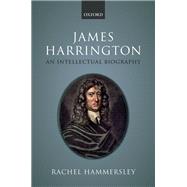
- ISBN: 9780198809852 | 0198809859
- Cover: Hardcover
- Copyright: 12/3/2019
Despite not being an active participant in the English Civil War, seventeenth-century political thinker James Harrington exercised an important influence on the ideas and politics of that crucial period of history. In The Commonwealth of Oceana he sought to explain why civil war had broken out in 1642, to put the case for commonwealth government, and to offer a detailed constitutional blueprint for a new and successful English government. In this intellectual biography of Harrington, Rachel Hammersley sets a fresh analysis of this and Harrington's other writings against the background of his life and the turbulent period in which he lived.
In doing so, this study seeks to move beyond the conventional view of Harrington as primarily a republican thinker, offering a broader and more comprehensive account of him which addresses the complexity of his republicanism as well as exploring his contributions to economic, historical, religious, philosophical, and scientific debates; his experimentation with vocabulary and literary form; and the relationship between his life and thought. Harrington is presented as an innovative political thinker, committed to democracy, social mobility, and meritocracy. Ultimately, this broader examination of Harrington's life and work opens a window on political, economic, religious, and scientific issues which serve to complicate understandings of the English Revolution, and sheds fresh light on the relevance of seventeenth-century ideas to the modern world.
In doing so, this study seeks to move beyond the conventional view of Harrington as primarily a republican thinker, offering a broader and more comprehensive account of him which addresses the complexity of his republicanism as well as exploring his contributions to economic, historical, religious, philosophical, and scientific debates; his experimentation with vocabulary and literary form; and the relationship between his life and thought. Harrington is presented as an innovative political thinker, committed to democracy, social mobility, and meritocracy. Ultimately, this broader examination of Harrington's life and work opens a window on political, economic, religious, and scientific issues which serve to complicate understandings of the English Revolution, and sheds fresh light on the relevance of seventeenth-century ideas to the modern world.

Please wait while the item is added to your bag...



Review