

Jerusalem Divided: The Armistice Regime, 1947-1967
, by Israeli,Raphael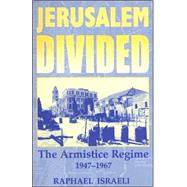
- ISBN: 9780714652665 | 0714652660
- Cover: Hardcover
- Copyright: 1/31/2002
Jerusalem was one of the most complicated, value- and emotion-laden, fronts during the 1948-49 Israeli War of Independence. The Jewish population in West Jerusalem was caught up in a bitter siege, as the Arabs from the eastern section fought for control of the entire city, to satisfy King Abdallah's desire to rule Jerusalem and other parts of Western Palestine. Static trench warfare, waged street by street, finally ground to a halt, and the city was divided along lines set down by the armistice agreements signed by Israel and Jordan in 1949. This volume traces the background to the history of the Armistice Regime (1947-67); the workings of the Armistice Commission, which governed its application; and the many in-built problems that thwarted their proper functioning. The book also outlines the international implications of the Armistice Regime, and the effect it had upon the running of the United Nations. Under the Armistice Regime, both sides learned to live in a divided city, despite the problems andthe trauma caused by living within a divided community. However, this armistice - by definition intended to be a temporary affair - was finally swept away by the 1967 war, when Israel took control of the entire city. The history of this unique regime has many lessons to offer those involved in the current conflict. It shows how idealism gradually became mired in the interests of the various parties and the entrenched position adopted by the United Nations, so that the hoped-for solutions were replaced by legal and political impasse and the ideal of peaceful boundaries was replaced by the reality of tension and war.

Please wait while the item is added to your bag...



Review