

A Just Transition for All Workers and Communities for a Carbon-Free Future
, by Cha, J. Mijin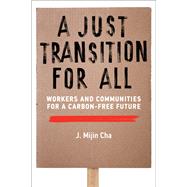
- ISBN: 9780262550796 | 0262550792
- Cover: Paperback
- Copyright: 12/3/2024
Why the energy transition must be more than a fuel source replacement, and how we can seize the opportunity of the transition to build a more just future for all.
To meet the greenhouse gas emissions reductions needed to stave off the worst impacts of climate change, a transition away from fossil fuels must occur, as quickly as possible. But there are many unknowns when it comes to moving from theory to implementation for such a large-scale energy transition, not least regarding the social impact. In A Just Transition for All, J. Mijin Cha—a seasoned climate policy researcher who also works with advocacy organizations and unions—offers a comprehensive analysis of how we can enact transformational changes that meaningfully improve people’s lives.
Cha provides a novel governance framework called the Four+ Pillars, formulated from original research to provide a way to move from theory to practice. The Pillars framework includes a novel analysis that guides readers in understanding how to formulate effective just transition policies, what makes them just or unjust, and, similarly, what makes transition just and unjust. The framework also combines theoretical discussions with original empirical research and provides insights into perceptions of just transition. Grounded in real-world perspectives that make the case for policies that advance the interests of all, not just of fossil fuel workers, Cha charts the path forward to an equitable and sustainable future that no longer depends on fossil fuels.
To meet the greenhouse gas emissions reductions needed to stave off the worst impacts of climate change, a transition away from fossil fuels must occur, as quickly as possible. But there are many unknowns when it comes to moving from theory to implementation for such a large-scale energy transition, not least regarding the social impact. In A Just Transition for All, J. Mijin Cha—a seasoned climate policy researcher who also works with advocacy organizations and unions—offers a comprehensive analysis of how we can enact transformational changes that meaningfully improve people’s lives.
Cha provides a novel governance framework called the Four+ Pillars, formulated from original research to provide a way to move from theory to practice. The Pillars framework includes a novel analysis that guides readers in understanding how to formulate effective just transition policies, what makes them just or unjust, and, similarly, what makes transition just and unjust. The framework also combines theoretical discussions with original empirical research and provides insights into perceptions of just transition. Grounded in real-world perspectives that make the case for policies that advance the interests of all, not just of fossil fuel workers, Cha charts the path forward to an equitable and sustainable future that no longer depends on fossil fuels.

Please wait while the item is added to your bag...



Review