

Militarizing the Border
, by Levario, Miguel Antonio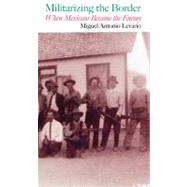
- ISBN: 9781603447584 | 160344758X
- Cover: Hardcover
- Copyright: 9/1/2012
As historian Miguel Antonio Levario explains in this timely book, current tensions and controversy over immigration and law enforcement issues centered on the US-Mexico border are only the latest evidence of a long-standing atmosphere of uncertainty and mistrust plaguing this region. Militarizing the Border: When Mexicans Became the Enemy, focusing on El Paso and its environs, examines the history of the relationship among law enforcement, military, civil, and political institutions, and local communities. In the years between 1895 and 1940, West Texas experienced intense militarization efforts by local, state, and federal authorities responding to both local and international circumstances. El Paso's "Mexicanization" in the early decades of the twentieth century contributed to strong racial tensions between the region's Anglo population and newly arrived Mexicans. Anglos and Mexicans alike turned to violence in order to deal with a racial situation rapidly spinning out of control. Highlighting a binational focus that sheds light on other US-Mexico border zones in the late nineteenth and early twentieth centuries, Militarizing the Borderestablishes historical precedent for current border issues such as undocumented immigration, violence, and racial antagonism on both sides of the boundary line. This important evaluation of early US border militarization and its effect on racial and social relations among Anglos, Mexicans, and Mexican Americans will afford scholars, policymakers, and community leaders a better understanding of current policy . . . and its potential failure.

Please wait while the item is added to your bag...



Review