

- ISBN: 9781843925293 | 184392529X
- Cover: Nonspecific Binding
- Copyright: 8/31/2016
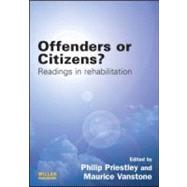
At a time when responses to crime are becoming more rather than less punitive this book attempts to stimulate and furnish a debate about how, at the beginning of the 21st century, society can offer effective rehabilitation opportunities to those who offend; and it does so by presenting a comprehensive selection of readings on the subject by theorists and practitioners from a variety of realms such as philosophy, psychology, sociology and anthropology, social work and law. The book is divided into three sections, covering: The historical roots and early forms of rehabilitation: Readings in this section provide an historical overview of how criminologists and others have explored the purposes of criminal justice, and engaged with competing philosophies of punishment and rehabilitation. They shed light on, amongst other things, the nature of criminal justice, the purpose of punishment, the function of prison, and the meaning of rehabilitation. Modern trends and forms: Readings in this section engage in the contemporary debate about how you can actually get people to change their behaviour, addressing the issues of 'what works?, 'what doesn¿t work?¿, and 'what¿s promising¿? It provides illustrations in all these categories, covering for example community based programmes v institutional programmes, the importance of motivation for personal change, therapeutic communities, aggression replacement therapy, and address the wide-issue of how to measure change in personal behaviour. Future directions: Readings in this section explore future directions in the theory and practice of rehabilitation, pointing to the likely features of emerging professional models addressing such issues as accountability, professional standards, internal organization, relations with other agencies in the criminal justice system, staff training and public education.

Please wait while the item is added to your bag...



Review