

Outdoor Learning Environments Spaces for Exploration, Discovery and Risk-Taking in the Early Years
, by Little, Helen; Elliott, Sue; Wyver, Shirley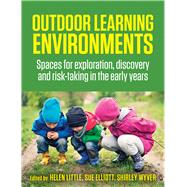
- ISBN: 9781760296858 | 1760296856
- Cover: Paperback
- Copyright: 1/1/2018
Educators have a key pedagogical role to promote early year's outdoor play in natural environments. Active outdoor play that involves risk-taking has been linked to positive effects on social health and behavior as well as promoting physical activity and motor skill development. At the same time, it has been recognized that opportunities for children to experience outdoor learning have been reduced in recent decades due to the impacts of technology, urbanization and social change. This book brings together renowned authors with research and professional experience in a range of disciplines to provide a comprehensive guide to developing positive and engaging outdoor learning environments in the early years. Part 1 looks at pedagogy and outdoor environments and considers the value of risk-taking and developing a young child's appreciation of the natural world. Part 2 examines the key principles involved in the design and planning of such spaces including applying the relevant equipment standards and regulations. Part 3 explores how educators can develop an understanding of children's own perspectives on outdoor spaces including promoting agency and recognizing the importance of private playspaces. Part 4 examines different cultural perspectives on outdoor play including Indigenous approaches, while the final part considers the range of experiences possible beyond purposefully-designed spaces including visiting nature reserves and exploring urban environments.

Please wait while the item is added to your bag...



Review