

Science, Religion, and the Human Future Conflict, Collusion, and Consequences
, by Rees, Amanda; Kohlt, Franziska E.; McLeish, Tom; Sleigh, Charlotte; Wilkinson, David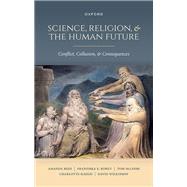
- ISBN: 9780198889007 | 0198889003
- Cover: Hardcover
- Copyright: 4/16/2026
Science, Religion, and the Human Future: Conflict, Collusion, and Consequences demonstrates that the myth of an inevitable conflict between science and faith is based on a misunderstanding of history, with potentially adverse consequences for human futures.
The work focuses first upon ancient, medieval and Islamic scholars and the intimate connections they made between theology and the investigation of the natural world-and why we know so little about them. Moving into the modern era, it argues that one of the most concerning features of the science-faith relationship was their collusion in defining and validating the 'civilising mission' of Western imperialism. This collusion recontextualises the creation of the conflict thesis. Turning to the present day, the book investigates episodes of scientific controversy in which effective science communication was hindered not as a result of a clash between science and faith but because of a close and unexamined entanglement between the two.
In cases ranging from space colonisation to AI, climate change to Covid-19, the problem is not so much science's split from faith as the unexamined and problematic theologies that remain implicit within it. Learning from these examples, the book outlines some productive and non-conflict-based frameworks for talking about science and faith in the future.
The work focuses first upon ancient, medieval and Islamic scholars and the intimate connections they made between theology and the investigation of the natural world-and why we know so little about them. Moving into the modern era, it argues that one of the most concerning features of the science-faith relationship was their collusion in defining and validating the 'civilising mission' of Western imperialism. This collusion recontextualises the creation of the conflict thesis. Turning to the present day, the book investigates episodes of scientific controversy in which effective science communication was hindered not as a result of a clash between science and faith but because of a close and unexamined entanglement between the two.
In cases ranging from space colonisation to AI, climate change to Covid-19, the problem is not so much science's split from faith as the unexamined and problematic theologies that remain implicit within it. Learning from these examples, the book outlines some productive and non-conflict-based frameworks for talking about science and faith in the future.

Please wait while the item is added to your bag...



Review