

Teaching for Conceptual Understanding in Science
, by Moran, Richard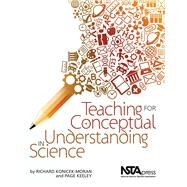
- ISBN: 9781938946103 | 1938946103
- Cover: Paperback
- Copyright: 3/1/2015
What do you get when you bring together two of NSTA’ s bestselling authors to ponder ways to deepen students’ conceptual understanding of science? A fascinating combination of deep thinking about science teaching, field-tested strategies you can use in your classroom immediately, and personal vignettes all educators can relate to and apply themselves.
Teaching for Conceptual Understanding in Science is by Richard Konicek-Moran, a researcher and professor who wrote the Everyday Science Mysteries series, and Page Keeley, a practitioner and teacher educator who writes the Uncovering Student Ideas in Science series. Written in an appealing, conversational style, this new book
• explores where science education has been and where it’ s going;
• emphasizes how knowing the history and nature of science can help you engage in teaching for conceptual understanding and conceptual change;
• stresses the importance of formative assessment as a pathway to conceptual change; and
• provides a bridge between research and practice.
This is the kind of thought-provoking book that can truly change the way you teach. Whether you read each chapter in sequence or start by browsing the topics in the vignettes, Konicek-Moran and Keeley will make you think— really think— about the major goal of science education in the 21st century: to help students understand science at the conceptual level so they can see its connections to other fields, other concepts, and their own lives.

Please wait while the item is added to your bag...



Review