

Theater of Acculturation: The Roman Ghetto in the Sixteenth Century
, by Stow, Kenneth R.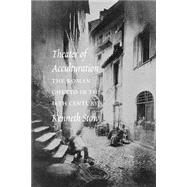
- ISBN: 9780295980225 | 0295980222
- Cover: Paperback
- Copyright: 2/1/2001
Generations of tourists visiting Rome have ventured into the small section between the Tiber River and the Capitoline Hill whose narrow, dark streets lead to the charming Fountain of the Tortoises, the brooding mass of the Palazzo Cenci, and some of the best restaurants in the city. This was the site of the Ghetto, within whose walls the Jews of Rome were compelled to live from 1555 until 1870. Kenneth Stow, leading authority on Italian Jews, probes Jewish life in Rome in the early years of the Ghetto.Jews had been residents of Rome since before the days of Julius Caesar, but the 16th century brought great challenges to their identity and survival in the form of Ghettoization. Intended to expedite conversion and cultural dissolution, the Ghetto in fact had an opposite effect. The Jews of Rome developed a subculture, or microculture, that ensured continuity. In particular, they developed a remarkably effective legal network of rabbinic notaries, who drew public documents such as contracts, took testimony, and arranged for disputes to go to arbitration. The ability to settle disputes relating to marriage, divorce, inheritance, and other internal matters gave Jews the illusion that they, rather than the papal vicar, were running their own affairs.Stow applies his concept of "social theater" to illuminate the role-playing that Jews adopted as a means of survival within the dominant Christian environment. He also touches briefly on Jewish culture in post-Emancipation Rome, elsewhere in Europe, and in America, and points the way toward a comparison with the acculturational strategies of other minorities, especially African Americans.

Please wait while the item is added to your bag...



Review