

Uneven Ground
, by Eller, Ronald D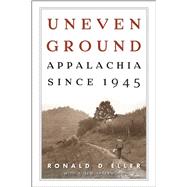
- ISBN: 9780813142463 | 0813142466
- Cover: Paperback
- Copyright: 7/11/2013
Appalachia has played a complex and often contradictory role in the unfolding of American history. Created by urban journalists in the years following the Civil War, the idea of Appalachia provided a counterpoint to emerging definitions of progress. Early-twentieth-century critics of modernity saw the region as a remnant of frontier life, a reflection of simpler times that should be preserved and protected. However, supporters of development and of the growth of material production, consumption, and technology decried what they perceived as the isolation and backwardness of the place and sought to "uplift" the mountain people through education and industrialization. Ronald D Eller has worked with local leaders, state policymakers, and national planners to translate the lessons of private industrial-development history into public policy affecting the region. In Uneven Ground: Appalachia since 1945, Eller examines the politics of development in Appalachia since World War II with an eye toward exploring the idea of progress as it has evolved in modern America. Appalachia's struggle to overcome poverty, to live in harmony with the land, and to respect the diversity of cultures and the value of community is also an American story. In the end, Eller concludes, "Appalachia was not different from the rest of America; it was in fact a mirror of what the nation was becoming."

Please wait while the item is added to your bag...



Review