

War without End: The Rise of Islamist Terrorism and Global Response
, by Hiro,Dilip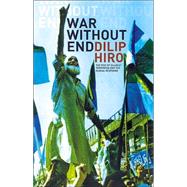
- ISBN: 9780415288026 | 0415288029
- Cover: Nonspecific Binding
- Copyright: 8/30/2002
"The First War of the 21st Century" is how President George W. Bush described the start of a conflict signaled by the September 11 attacks on the United States. In reality, though, the terrorist war by Islamist extremists erupted on August 7, 1998, when two massive explosions devastated U.S. Embassies in Nairobi and Dar Es Salaam, killing 224 people and injuring more than 5,000. After providing a brief history of Islam as religion and as socio-political ideology, Dilip Hiro examines various Islamist movements that have thrived in Egypt, Saudi Arabia and Afghanistan-culminating in the rise of the Taliban-and their relationship with America. He traces the menacing history of Osama bin Laden and his Al Qaida network. Besides covering the successful U.S. military action in Afghanistan, Hiro examines the continued stand-off between India and the Islamic Republic of Pakistan over Kashmir. He also discusses the rhetoric and reality behind Bush's 'Axis of Evil'-Iraq, Iran and North Korea-a clearindication that America is engaged in a war without end. Marrying his long time expertise on the Middle East, Islam, Central Asia and South Asia, and maintaining his simple, lucid style, Dilip Hiro has produced an important and timely book.

Please wait while the item is added to your bag...



Review