

Why Carbon Taxes Failed
, by Driscoll, Daniel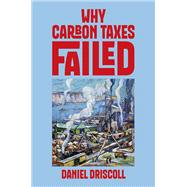
- ISBN: 9780197823521 | 0197823521
- Cover: Hardcover
- Copyright: 8/17/2026
For decades, carbon taxes reigned as the most important global strategy for decarbonization—a seemingly simple, market-based solution to one of humanity's greatest challenges. Yet despite the tax's prominence, our planet is still warming, and carbon taxation has frequently devolved into political spectacle, from the tear-gassed streets of Paris to abandoned proposals languishing in government archives. Why Carbon Taxes Failed interrogates the foundational flaw of carbon tax policymaking. Drawing on global archives and intimate conversations with policymakers and activists, author Daniel Driscoll argues that carbon taxes failed because they relied on a politics of wishful thinking: governments hoped a simple market signal would save them from the unavoidable job of strategic investment, hard choices, and planning for the future with eyes wide open.
Advancing The Growth Model Policy Alignment Framework, Driscoll argues that climate is governed less by noble aspirations to decarbonize than by the stubborn politics of history's balance sheet. Carbon taxes succeed if—and only if—they align with key components of a nation's existing economic engine and governments secure viable, pre-planned replacements for fossil fuels in critical sectors. Carbon taxes fail when they misalign with national growth strategies and when they penalize instrumentally important growth coalitions without providing green alternatives; in failing, they trigger political conflict, inefficiencies, equity crises, and policy abandonment. Policymakers are playing carbon tax roulette; implementing a blunt policy while ignoring the politics of their nation's macroeconomic structure. Driscoll's bracing, necessary analysis moves beyond climate idealism to reveal the hands-on, pragmatic mechanisms of economic transition. Why Carbon Taxes Failed delivers an urgently needed lesson: decarbonization is not a market puzzle to be solved but a new political economy yet to be built.
Advancing The Growth Model Policy Alignment Framework, Driscoll argues that climate is governed less by noble aspirations to decarbonize than by the stubborn politics of history's balance sheet. Carbon taxes succeed if—and only if—they align with key components of a nation's existing economic engine and governments secure viable, pre-planned replacements for fossil fuels in critical sectors. Carbon taxes fail when they misalign with national growth strategies and when they penalize instrumentally important growth coalitions without providing green alternatives; in failing, they trigger political conflict, inefficiencies, equity crises, and policy abandonment. Policymakers are playing carbon tax roulette; implementing a blunt policy while ignoring the politics of their nation's macroeconomic structure. Driscoll's bracing, necessary analysis moves beyond climate idealism to reveal the hands-on, pragmatic mechanisms of economic transition. Why Carbon Taxes Failed delivers an urgently needed lesson: decarbonization is not a market puzzle to be solved but a new political economy yet to be built.

Please wait while the item is added to your bag...



Review